
1. Introduction
As one of the fastest-growing industries in the global agricultural sector, aquaculture plays a crucial role in ensuring global food security and the supply of high-quality protein. China holds a decisive position in this field. According to the China Fisheries Statistical Yearbook 2025, data from 2024 shows that China’s total aquatic product output reached 73.5759 million tons, with aquaculture production accounting for 60.6003 million tons, representing over 70% of the total output.1 For 30 consecutive years, China has maintained its position as the world’s leading aquaculture producer, making aquaculture the absolute pillar of China’s fisheries economy. This industry not only concerns the dietary nutrition supply of Chinese citizens but also serves as a key instrument for implementing China’s strategic requirements of “steadily advancing comprehensive rural revitalization” and “steadily advancing common prosperity for all people.” By promoting farmers’ income growth and efficient utilization of land resources, it provides a solid guarantee for national food security.
Currently, China’s aquaculture industry is at a critical stage of transitioning from scale expansion to quality improvement, facing severe challenges due to multiple practical difficulties during this transformation: First, technological bottlenecks are particularly prominent. Although new models such as aquaculture vessels and saline-alkali land farming have emerged, there remain shortcomings in key core technologies including germplasm resources, disease prevention and control, intelligent equipment, and eco-friendly feed, with the industry’s innovation capacity needing breakthroughs. Second, institutional safeguards and policy coordination are insufficient. Existing systems for water area management, environmental supervision, and other regulatory frameworks do not align with the requirements of New Quality Productive Forces(New quality productive forces are an advanced form of productive forces where innovation plays a leading role, which breaks away from the traditional economic growth model and path of productive forces development, features high technology, high efficiency and high quality, and aligns with the new development philosophy) centered on technological innovation. The lag in adjusting production relations has hindered the optimal allocation of production factors and the promotion of new models. Third, the resilience of the industrial chain needs to be strengthened. Loose connections across the various links of the industrial chain—from seedlings and feed to processing and sales—result in weak risk resilience and limited value-added capacity, constraining the industry’s overall competitiveness.
Facing the “The 15th Five-Year Plan for National Economic and Social Development of the People’s Republic of China”, China has clearly outlined the development of new-quality productive forces to lead modern aquaculture, promoting the industry’s transition from scale expansion to value enhancement. China will deeply integrate aquaculture into the “vegetable basket” project (a Chinese national initiative aimed at ensuring the stable supply of non-staple agricultural products, including meat, eggs, vegetables, and aquatic products, to urban residents and the diversified food supply system.2 China will support facility upgrades and deep-sea aquaculture to expand new spaces; strengthen full-chain food safety supervision to reinforce the baseline; enhance pollution control in marine aquaculture and promote low-carbon models; and encourage the integrated application of technologies such as artificial intelligence and the Internet of Things to drive industrial efficiency revolution through technological innovation.2
Against this backdrop, promoting high-quality development of China’s aquaculture industry is of great urgency. The concept of New Quality Productive Forces, driven by scientific and technological innovation, provides a direction for overcoming the aforementioned challenges, requiring the industry’s growth momentum to shift from factor-driven to innovation-driven, thereby achieving the unity of economic and ecological benefits. Therefore, this paper systematically reviews the evolution of policies supporting high-quality aquaculture development, analyzes the current institutional, technical, and structural obstacles, and constructs a support system capable of stimulating new-quality productivity and adapting to new requirements. This not only helps China ensure food security and promote rural revitalization but also provides policy references for the sustainable development of global aquaculture.
2. Current Status and Policy Evolution of High-Quality Development in China Aquaculture
2.1. Current Status of High-quality Development of Aquaculture in China
China’s aquaculture industry has maintained its position as the world’s largest producer for 30 consecutive years. While the industry scale continues to expand, its structure shows an optimization trend: In 2024, the national aquaculture area reached 7,567.88 thousand hectares, a decrease of 0.74% year-on-year. Among them, the seawater aquaculture area was 2,240.06 thousand hectares, up 1.14% year-on-year; the freshwater aquaculture area was 5,327.82 thousand hectares, down 1.51% year-on-year. In terms of output value, the industry has made significant economic contributions, with the total aquaculture output value reaching 1,382.103 billion yuan in 2024, of which freshwater aquaculture accounted for 63.6% at 878.665 billion yuan1. Currently, China’s aquaculture industry is entering a new phase of high-quality development, with continuous optimization of industrial structure and steady improvement in production efficiency and economic benefits. The current situation can be summarized in seven aspects: the industrial structure is becoming more optimized, and the industrial system is more coordinated; production efficiency and economic benefits are steadily improving, with continuous enhancement in resource utilization and output efficiency; the layout of seed industries is accelerating implementation, and breeding innovation capabilities for key varieties are strengthening; aquaculture equipment is moving toward intelligence, with the gradual promotion of IoT and automation technologies; the concept of green development is being deeply implemented, and eco-friendly healthy aquaculture models are becoming increasingly popular; product quality continues to improve, with strengthened quality and safety control across the entire supply chain; brand value is beginning to emerge, and efforts are being made to build regional public brands and corporate brands. This marks that China’s aquaculture industry is achieving systematic upgrades.
2.2. Evolutionary Process of China’s Fisheries Policy
The development of China’s fishery policies profoundly reflects the nation’s deepening understanding and practical adjustments in the utilization of fishery resources, industrial development, livelihood security, and ecological protection at different historical stages. Its evolution can be clearly divided into four major phases, each containing distinct era characteristics and policy orientations.
2.2.1. Startup and Recovery Phase (1949-1977)
At the beginning of the establishment of New China, the national economy was in a state of reconstruction, and the fisheries sector faced three severe challenges: extensive damage from wars, depletion of offshore resources, and extreme poverty among fishermen. During this period, the core objectives of national fisheries policies were clearly directed toward restoring fishery productivity and ensuring basic livelihoods for fishermen. Against this backdrop, aquaculture, as a crucial supplementary means to compensate for the shrinking fishing output and alleviate food supply pressures, began to be incorporated into national policy considerations. Simultaneously, the state actively explored establishing a fisheries management system and a policy framework adapted to New China. By 1978, the total national aquatic product output reached 4.65 million tons, a more than ninefold increase compared to approximately 450,000 tons in 1949; per capita aquatic product consumption rose from about 0.8 kilograms to 4.8 kilograms, a sixfold increase. This achievement was primarily due to the restoration of the fishing industry and the initial development of aquaculture. However, aquaculture output still accounted for less than 30% of the total, and policy priorities and industrial focus remained skewed toward offshore fishing. Although the concept of resource conservation had been proposed, effective regulatory measures and enforcement mechanisms were not yet fully in place. At this stage, technological levels were relatively backward, aquaculture practices were relatively extensive, and production efficiency was generally low.
2.2.2. Reform and Transformation Stage (1978-1998)
The spring breeze of reform and opening-up injected strong vitality into China’s fisheries, leading to a fundamental shift in policy orientation. The core policy objective during this phase was to address the shortage of aquatic product supply, meet the growing consumer demand, and simultaneously reform the rigid planned-economy management system in fisheries to stimulate producer enthusiasm. The policy focus began to shift significantly toward aquaculture. The 1985 “Instructions on Relaxing Policies and Accelerating the Development of Aquaculture” emphasized that the development of aquaculture should prioritize breeding, with a balanced approach to breeding, fishing, and processing, tailored to local conditions and with varying emphases. It advocated for joint participation by state-owned, collective, and individual entities, integrated operations across production, supply, and sales, as well as fishing, industry, and commerce, domestic and foreign trade, while accelerating progress, improving quality, and pursuing efficiency. The core significance of this document lay in breaking free from the constraints of the planned economy and establishing a new mechanism of “market regulation as the mainstay and government guidance as a supplement,” which greatly liberated fishery productivity and particularly removed institutional barriers for the explosive growth of aquaculture. In 1986, China officially promulgated the “Fisheries Law of the People’s Republic of China,” a milestone event in the history of China’s fisheries management. Driven by strong policies and effective market incentives, aquaculture experienced rapid development. In 1988, China’s aquaculture output surpassed fishing output for the first time, reaching 6.39 million tons, accounting for 52.2% of the nation’s total aquatic product output. This marked a symbolic turning point, signifying the transition of China’s fisheries from a “fishing-dominated” to a “breeding-dominated” era.
2.2.3. Stage of Industrial Structure Adjustment (1999-2012)
With the continuous decline of fishery resources and escalating ecological pressures, the traditional development model focused solely on output growth has become unsustainable. At this stage, policy priorities have shifted to addressing intensifying resource constraints, with core objectives including optimizing industrial structures, strengthening resource conservation, enhancing development quality, and transitioning fisheries from “quantity expansion” to “quality improvement” to establish a modern fishery industry system. In 1999, China’s Ministry of Agriculture first set a management target of “zero growth” for marine catch volume, mandating that catches remain at 1998 levels without further increases. This marked the first national-level enforcement of strict fishing intensity limits, signaling a policy shift from “increasing catches” to “controlling fishing activities, promoting aquaculture, and improving product quality.” Subsequently, the state revised the Fisheries Law and introduced regulatory frameworks such as the Aquaculture Quality and Safety Management Regulations and the Pollution-Free Food Action Plan, establishing a comprehensive quality supervision system spanning “farm to table” to boost consumer confidence and product competitiveness. The government vigorously implemented the “Ship Reduction and Industrial Transformation” initiative to reduce offshore fishing capacity, alleviate pressure on coastal fishery resources, and guide fishermen toward aquaculture, processing, and recreational fishing sectors. Modern intensive farming models, such as deep-water wind-resistant cages and industrialized recirculating aquaculture systems, were widely adopted, significantly enhancing yield per unit area, resource utilization efficiency, and environmental control. Meanwhile, a nationwide summer fishing moratorium system has been widely implemented, with exploratory efforts to establish a catch quota system. Large-scale fishery resource stock enhancement and release activities continue, alongside pilot projects for marine ranch construction. These initiatives aim to restore depleted fishery resources and rebalance ecosystem equilibrium.
By 2012, China’s total aquatic product output reached 59.0768 million tons, with aquaculture production accounting for 42.8836 million tons—representing approximately 65% of global aquaculture output and solidifying its absolute leadership as a major aquatic farming nation. The species structure has been progressively optimized, establishing a balanced development pattern that emphasizes both major freshwater species like grass carp and silver carp alongside premium marine varieties such as shrimp, sea bass, large flounder, and sea cucumber. However, industrial restructuring remains challenging: In a few regions, issues such as excessive stocking densities, non-compliant aquaculture wastewater discharge, low feed conversion rates continue to pose threats to aquatic ecosystems and product quality safety. Although nearshore resources face “zero growth” constraints, recovery processes remain sluggish. The aquaculture industry itself requires enhanced efforts in high-quality and green development. These challenges compel policy reforms to further advance ecological sustainability.
2.2.4. Green Transition and High-Quality Development Stage (2013 to present)
In 2013, China’s fisheries policy fully implemented the new development philosophy of “innovation, coordination, green development, openness, and sharing,” establishing the overall goals of “improving quality and efficiency, reducing quantity while increasing income, green development, and enriching fishermen,” and clearly proposing the fundamental principle of “ecological priority and green development.” The core task during this phase was to achieve high-quality development in fisheries through green transformation and innovation-driven approaches, ensuring national food security and the supply of high-quality protein, promoting sustained income growth for fishermen, and contributing to the building of a beautiful China and a maritime power. New productive forces accelerated their development during this period, becoming the core engine driving the transformation and upgrading of fisheries, fully reflecting the strategic orientation of “leading the construction of a modern industrial system with scientific and technological innovation” proposed at the plenary session.
During this phase, regions across the country actively embraced green development concepts, expanding growth opportunities through innovative approaches: Traditional pond aquaculture underwent comprehensive upgrades with standardized renovations and wastewater treatment systems; land-based industrial recirculating aquaculture efficiency was optimized; ecological models like integrated rice-fish farming and aquaponics were promoted; large-scale ecological aquaculture operations were standardized; environmentally friendly practices including deep-sea intelligent cage systems, saltwater aquaculture integration, and controlled container recirculating systems significantly reduced environmental pressures. Meanwhile, technological innovation-driven productivity transformation is fundamentally reshaping the fisheries sector. Breakthroughs include: Bio-breeding techniques developed high-yield disease-resistant varieties; eco-friendly feed formulations and precision feeding systems improved nutrient utilization; advanced vaccines and green veterinary drugs minimized disease risks; IoT, AI, and big data technologies enabled smart aquaculture solutions covering water quality monitoring, automated feeding, and disease prediction. Innovative resource allocation features include: Large-scale intelligent aquaculture platforms for industrial-scale closed-system farming in open waters; saline-alkali aquaculture converting wastelands into “new granaries”; digital technologies facilitating efficient capital-technology-data synergy. Industrial transformation manifests through: Facility-based fisheries, smart aquaculture systems, and eco-friendly practices becoming mainstream; recreational fisheries emerging as growth drivers; aquatic product processing expanding into high-value-added sectors like ready-to-eat meals and functional foods; continuous improvement of cold chain logistics systems; accelerated conversion of fisheries carbon sequestration capacity (blue carbon) into economic value; and seed industry revitalization initiatives strengthening core competitiveness. Overall, the core of fishery policy at this stage lies in systematically promoting industrial transformation, upgrading, and high-quality development. Through top-level institutional design, model innovation, and technological empowerment, a new industrial landscape dominated by ecologically healthy aquaculture has been established.
However, in comparison with the requirements of high-quality development in China, the process of green transformation continues to confront significant challenges. Firstly, legal frameworks remain relatively outdated. The existing fisheries legislation system is out of sync with the demands of new productive forces development, with unclear property rights definitions such as aquaculture rights and sea area usage rights hindering optimal resource allocation. Secondly, regional disparities persist in green technology adoption. Small and medium-sized aquaculture operators face funding and technical barriers, while wastewater treatment facility coverage and compliance rates urgently need improvement. Eutrophication risks in certain water bodies remain unresolved. Thirdly, breakthroughs are needed in key areas critical to new productive forces development, including seed industry gene-editing technologies, core components for deep-sea equipment, and low-carbon feed protein alternatives. Fourthly, industrial resilience remains weak. The contradiction between shrinking nearshore aquaculture space and high deep-sea development costs has become pronounced. Aquatic product supply chains lack sufficient premium pricing power, and fishermen’s profit distribution within the value chain requires further optimization. Addressing these challenges requires thorough implementation of plenary session directives through legal system improvements, institutional innovation, and policy coordination. Efforts must focus on resolving bottlenecks in property rights clarification, technology dissemination, and resource allocation to ultimately achieve synergistic growth in ecological, economic, and social benefits.
2.3. Innovative Practices of New Quality Productive Forces in the Aquaculture Sector
New Quality productive forces represent an advanced form of productivity driven by technological innovation, characterized by high efficiency and quality. Their essence lies in leveraging technological breakthroughs to transform production methods, optimize industrial structures through factor reorganization, and achieve dual improvements in resource allocation efficiency and output quality.3 The supporting role of new-type productive forces in high-quality economic development manifests in two key dimensions: First, by establishing digital technologies, artificial intelligence, and biotechnology as technological foundations, they break through traditional production paradigms and accelerate industrial chain upgrading to mid-to-high-end levels. Second, through creative reorganization of production factors, including intensive land utilization, precise capital allocation, skill-based labor restructuring, and value realization of data elements, they establish highly efficient production systems.4,5
Specifically in the field of aquaculture, it is mainly reflected in four aspects. First, intelligent deep-sea aquaculture equipment. China’s intelligent deep-sea aquaculture equipment represents the highest global level of aquaculture technology, integrating IoT, big data, AI algorithms, and automated feeding systems to achieve full-process intelligence in environmental monitoring, disease early warning, and feeding control. For example, the “Guoxin No.1” aquaculture vessel serves as a “China model” for deep-sea aquaculture, expanding cultivation areas from nearshore to deep-sea regions and transitioning from traditional agricultural operation models to large-scale modern industrial production. Second, ecological circular farming systems. China’s ecological circular farming systems achieve a win-win situation of efficient resource utilization and environmental protection through technological innovation. For instance, integrated rice-fish farming promotes the “dual water and dual green” technology in Jiangsu, Hubei, and other regions, enhancing rice yields and fishery income while reducing fertilizer and pesticide usage. Models like “fish-vegetable symbiosis” combine farming and aquaculture to mitigate market risks through diversified operations, increase fruit tree yields, and boost value-added through biogas utilization, forming a closed-loop chain of “aquaculture-planting-waste resource utilization” to drive sustainable agricultural development. Third, wind-solar-fish integrated marine ranches. This model integrates wind power generation, photovoltaic systems, and ecological aquaculture to support comprehensive marine resource development. Through coordinated deployment of offshore wind turbines, photovoltaic arrays, and intelligent aquaculture cages, it achieves organic integration of clean energy production and fishery enhancement. This model improves marine spatial utilization efficiency, promotes energy structure transformation and sustainable fisheries development, and establishes a new paradigm of multi-energy complementarity and eco-friendly blue economy. Take the “Guoneng Huanghai No.1” semi-submersible aquaculture platform as an example. This marks China’s first integration of semi-submersible steel-frame cage designs with operational offshore wind turbines, establishing an integrated “wind power + photovoltaics + ranch” model. This approach not only pioneers’ new pathways for quality enhancement and efficiency improvement in offshore wind energy development but also drives traditional aquaculture industries toward modernization, large-scale operations, and deep-sea expansion. Fourth, the smart fisheries production system. Powered by new-generation productivity drivers, this intelligent ecosystem leverages cutting-edge smart technologies to revolutionize conventional aquaculture practices. Through IoT sensors deployed across water bodies, cages, and facilities, the system achieves round-the-clock, high-precision automated monitoring of critical water parameters (e.g., temperature, dissolved oxygen, pH levels) and biological activity status, creating a digital twin representation of aquaculture environments. Building on this foundation, big data analytics platforms conduct in-depth mining and intelligent modeling of multi-source monitoring data. These systems enable accurate assessment of aquatic organisms’ health conditions and growth trajectories while providing proactive warnings for potential disease risks and stress responses, thereby optimizing farming management precision, enhancing operational responsiveness, and maximizing resource utilization efficiency.
3. Prominent Issues Constraining High-Quality Development of Aquaculture in China
While China’s aquaculture industry has achieved remarkable progress and demonstrated high-quality development trends, it is crucial to recognize that further industrial upgrading still faces a series of deep-rooted and structural constraints. These challenges encompass resource ownership disputes, technological bottlenecks, talent structure imbalances, funding gaps, supply chain resilience issues, and the development ecosystem for emerging sectors such as deep-sea aquaculture. These factors collectively constitute critical bottlenecks that require urgent breakthroughs at this stage.
3.1. Conflict Between Breeding Rights and Property Rights
Under China’s current legal framework, aquatic areas and tidal flats involved in aquaculture operations may involve three distinct property rights arrangements: Publicly owned sea areas require obtaining sea area use rights in accordance with the Sea Area Use Management Law6; collectively owned or state-owned but collectively utilized waters are subject to establishing land contract management rights under the Rural Land Contract Law7; while lakes, rivers, and other publicly owned water bodies establish aquaculture rights based on the Fisheries Law. These overlapping legal systems create property rights conflicts within the same water bodies, directly violating the fundamental principle of “one object, one right” stipulated in the Property Law.
The root cause lies in the lack of hierarchical legal frameworks and inadequate safeguards in China’s aquaculture sector, resulting in insufficient protection of farmers’ rights. In 2010, the Ministry of Agriculture introduced the concept of “aquatic and tidal flat cultivation rights” through the “Aquatic and Tidal Flat Cultivation Permit Issuance and Registration Measures,” but as this regulation remains a departmental rule, it lacks sufficient legal authority.8 The 2016 notice on the “Aquatic and Tidal Flat Cultivation Planning Guidelines” and “Planning Outline” issued by the Ministry of Agriculture also omitted provisions regarding cultivation rights duration. Although Article 22 of the “Marine Area Use Management Law” acknowledges traditional fishermen’s long-term maritime usage rights, persistent disputes over land acquisition standards and compensation mechanisms persist due to ambiguous ownership demarcation.9
3.2. Key aquaculture technologies still face bottlenecks in certain aspects
In recent years, while China’s aquaculture industry has experienced rapid development, certain key breeding technologies still face bottlenecks. These constraints not only hinder industrial transformation and upgrading but also adversely affect breeding efficiency and sustainable development. Such issues are particularly prominent in core processes, such as germplasm resources and feed conversion rates, and have become critical factors that impede the high-quality development of China’s aquaculture sector.
Genetic resource degradation poses a critical challenge for China’s aquaculture industry, particularly in marine farming where multiple species face shortages of high-quality seedlings and declining genetic quality. According to the National Seawater Fish Industry System survey, the Cobia farming program in Hainan Province exhibits severe seedling genetic degradation, with survival rates dropping from around 85% in 2021 to below 50% among many farmers’ populations in 2025, compounded by increasing fish diseases such as sparganosis, microcercariae infections, and bacterial infections. Other marine species including half-smooth tongue sole, grouper, and sea bass also commonly suffer from seedling degradation and slow genetic improvement. In freshwater aquaculture, traditional inbreeding practices have led to persistent loss of genetic diversity. Notably, species like red shrimp exhibit genetic structures influenced by regional climate variations between northern and southern China, failing to effectively overcome current breeding bottlenecks.10
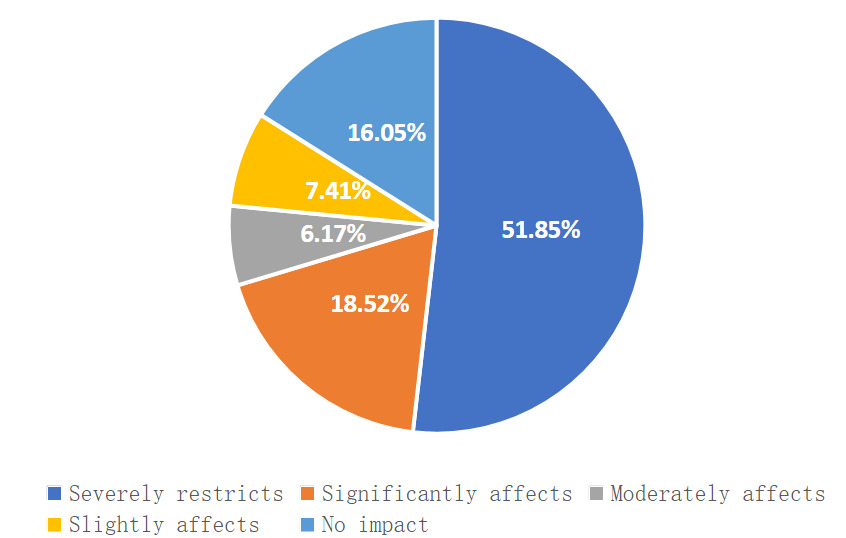
According to the 2025 survey data from the National Seawater Fish Industry System, 70.7% of respondents identified “frequent disease outbreaks” as a major factor severely constraining the development of the industry (see Figure 1), and 77.9% regarded “disease prevention” as a primary technical challenge. For example, the incidence of sporozoan infection, ichthyophthiriasis, and bacterial infections in cobia has increased significantly, often causing high mortality rates during high-temperature seasons. In high-density farming environments, half-smooth tongue sole frequently suffers from diseases such as ascites and tail rot. Moreover, the emergence of new diseases, such as trypanosomiasis, poses a serious threat to the aquaculture industry. These diseases have high fatality rates, and no effective solutions have yet been found, causing substantial economic losses to farmers.
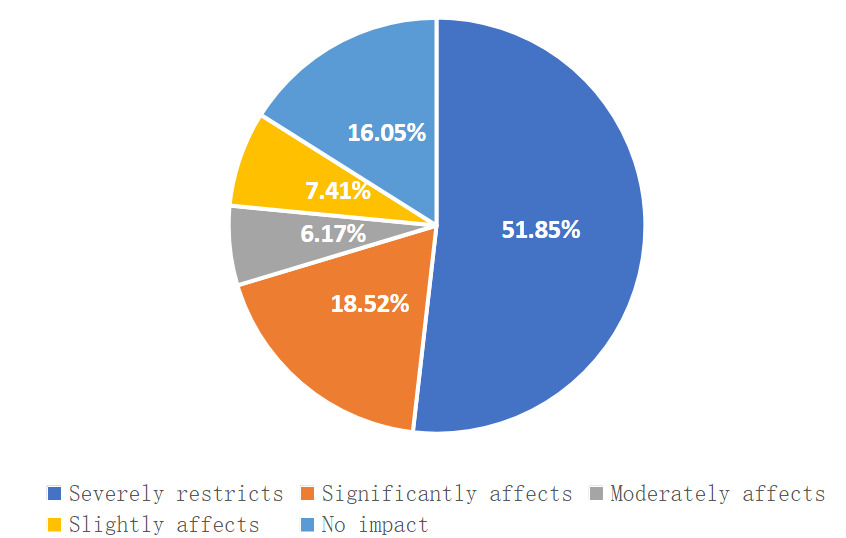
Feed costs constitute the primary expenditure in aquaculture, typically accounting for approximately 60% of total costs. For example, in marine fish farming, feed expenses account for around 56% of total costs (see Table 1). The low conversion efficiency of feed resources has become a key factor limiting improvements in farm profitability. In recent years, rising raw material prices have imposed significant cost pressures on feed manufacturers. For instance, fish meal import prices surged by 40% within just four months in 2023. According to Mysteel data, most companies use fish meal additives ranging from 15% to 70% in specialized freshwater fish feed formulations. Due to persistently high fish meal market prices throughout 2023, the proportion of fish meal added to specialized freshwater fish feed products declined by approximately 5%.
3.3. Imbalance in human resource structure
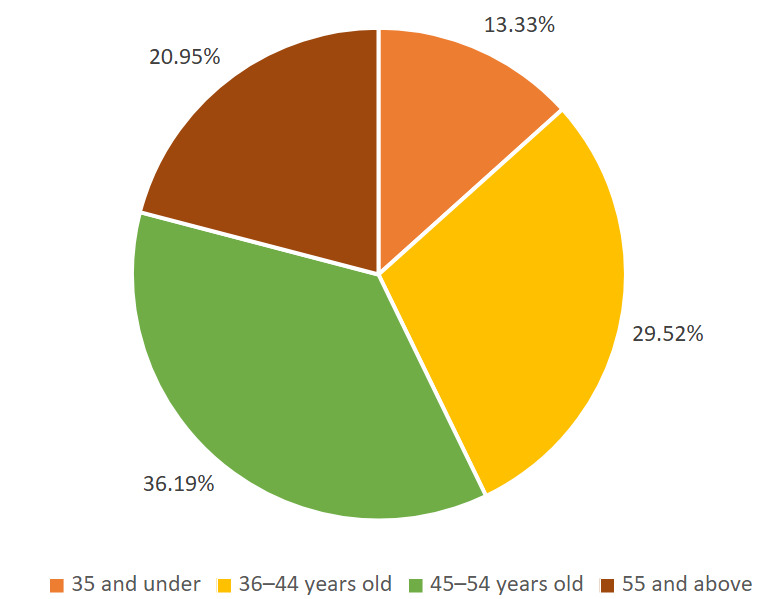
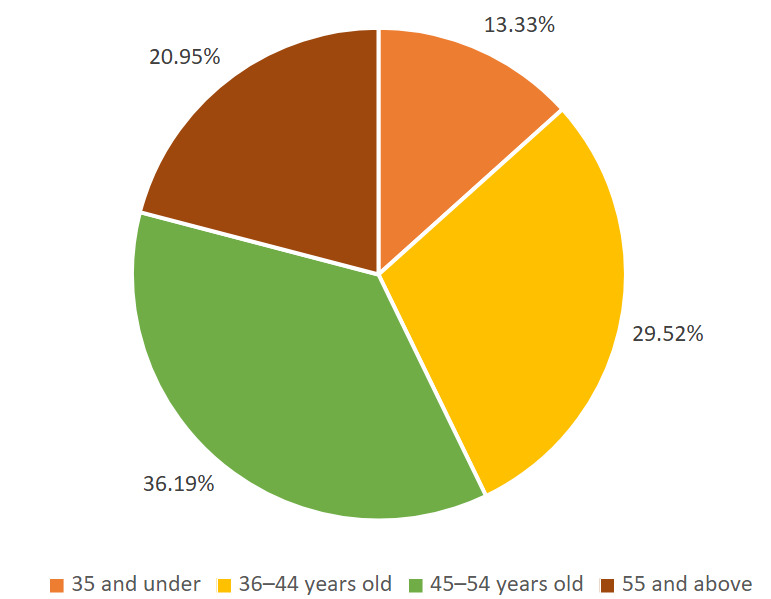
In 2024, China’s fishery workforce reached 15.8247 million, marking a decrease of 161,000 from the previous year and representing a 1.01% year-on-year decline. Among this group, traditional fishermen serving as the industry’s foundation numbered 4.8808 million, showing a 3.59% reduction compared to the prior year.1 The number of frontline fishery workers directly involved in production operations stood at 11.7417 million, also experiencing negative growth. According to 2025 survey data from the National Marine Fishery Industry System, the average age of industry personnel has reached approximately 48 years old. According to the 2025 survey data from the National Seawater Fish Industry System, the age distribution of aquaculture farmers is heavily skewed toward middle-aged and older groups, with those aged 45 and above accounting for 57.14%, while farmers aged 35 and under make up only 13.33% (see Figure 2). This pronounced imbalance highlights a structural labor shortage and an aging workforce, posing risks to the industry’s long-term sustainability and innovation capacity.
Additionally, most aquatic industry workers in China possess relatively low educational qualifications and lack comprehensive professional expertise.11 This human resource structure severely hinders the development of innovative business entities and the adoption of advanced technologies. Modern aquaculture has become a technology-intensive industry that requires high human capital standards; however, inherent technical barriers and high entry barriers contribute to insufficient reserves of high-quality talent. The aging workforce and shortage of skilled labor are fundamentally impeding the transformation, upgrading, and organizational optimization of the aquaculture sector.
3.4. Inadequate financial and insurance support systems
Aquaculture operators face challenges in securing financing due to difficulties and high costs. Although some regions have experimented with mortgage loans using aquaculture rights as collateral for water and tidal flat areas, financial institutions encounter significant evaluation costs due to substantial variations in water body sizes, shapes, and supporting infrastructure. Additionally, inadequate financial management practices and incomplete governance structures within fishery cooperatives hinder their ability to obtain sufficient financing support from financial institutions. According to the 2025 National Seawater Fish Industry System survey data, only 70.37% of respondents reported receiving local financial support (including credit and insurance), only a portion of enterprises able to secure bank loans. Most businesses are forced to resort to higher-interest personal loans, with some enterprises facing annual interest rates exceeding 18%. This severely compresses profit margins and increases operational risks for aquaculture enterprises.
The risk protection system for aquaculture industry exhibits significant deficiencies in insurance support. As a high-risk sector, it faces not only production risks including disease outbreaks, seedling quality issues, and natural disasters, but also external challenges such as market fluctuations and public sentiment. Frequent extreme weather events triggered by climate change have become major threats. For instance, Super Typhoon “Majak” in 2024 caused 70% damage to deep-water cages in Lingshui, Hainan Province, resulting in direct economic losses exceeding 200 million yuan. However, current fishery insurance products fall far short of meeting industry demands in terms of coverage scope and protection levels. According to 2025 survey data from the National Marine Fishery Industry System, only 17.28% of respondents participated in fishery insurance, suggesting low participation. Although some regions have introduced innovative insurance products like weather index insurance, insurance products targeting cultured organisms remain scarce, with policy designs often misaligned with actual risk factors.
3.5. Insufficient industrial chain robustness
The aquaculture industry chain spans multiple critical stages from seedling breeding to retail distribution. However, loose coordination between these segments, coupled with low resource utilization rates and limited product value-added, has become a bottleneck hindering industry growth—particularly in processing. Currently, aquatic products remain predominantly processed at primary and basic stages, with advanced processing technologies lagging behind. Take oval-shaped pomfret as an example: while its meat characteristics facilitate storage and processing, the scarcity of refined processed products weakens the industry’s resilience against cyclical risks. Key challenges in processing include: 1) China’s aquatic products are primarily fresh, with low processing ratios that hinder economies of scale and value creation; 2) Low technological sophistication dominated by freezing methods; 3) Insufficient mechanization leading to high labor costs; and 4) Low processing sophistication resulting in limited high-value-added products and excessive by-products (accounting for 50-60% of output). Regulatory distinctions further complicate matters: fresh and chilled aquatic products are classified as “edible agricultural products” under agricultural authorities, while processed aquatic products fall under “food” regulations managed by market regulators. Given that food product supervision requires stricter standards, broader coverage, and higher compliance requirements than agricultural products, deep-processing enterprises face elevated regulatory and operational costs, which significantly constrain the rapid development of China’s aquatic product processing sector.
This vulnerability is quantitatively confirmed by the sensitivity analysis of different marine fish species in aquaculture. According to data from the 14th Five-Year Plan period (2021–2025), the average price sensitivity coefficient for ten marine fish species in 2025 was 4.23, meaning that for every 1% increase in price, farmers’ profits increase by 4.23%. However, this coefficient decreased by 0.8 compared to 2021, indicating a weakening of the driving effect of price fluctuations on profits (see table 2). Based on the analysis over the past five years, to improve economic returns, farmers should prioritize increasing sales prices, followed by reducing variable costs. These data indicate that China’s marine fish farming is generally in a state of high price sensitivity and high variable cost sensitivity, with significant divergence in risk resilience among different species. Therefore, there is an urgent need to optimize species structure, promote standardized technologies, and strengthen industrial chain collaboration to enhance the overall stability and profitability of the industry.
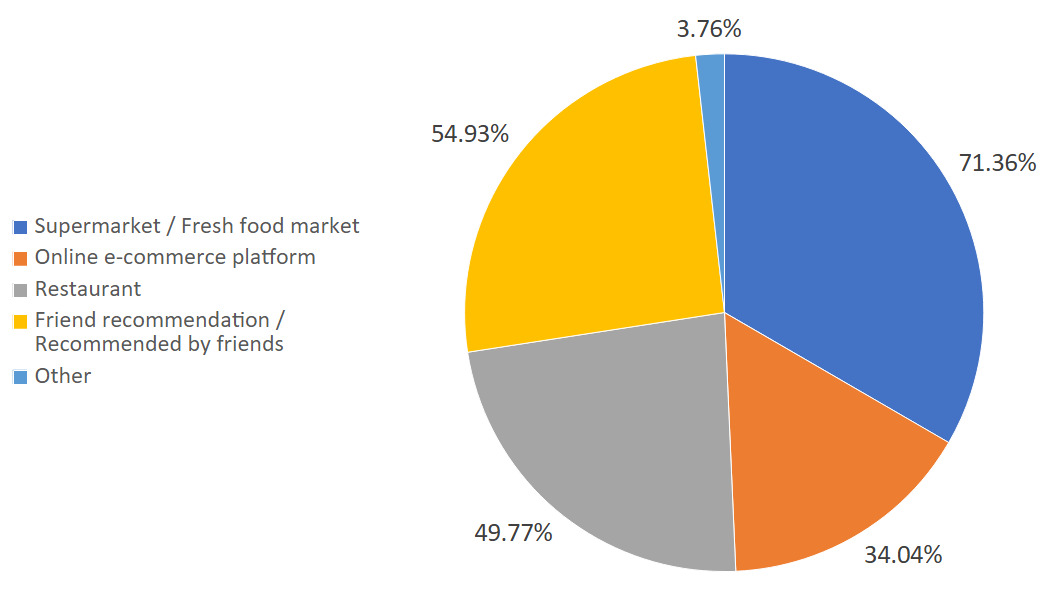
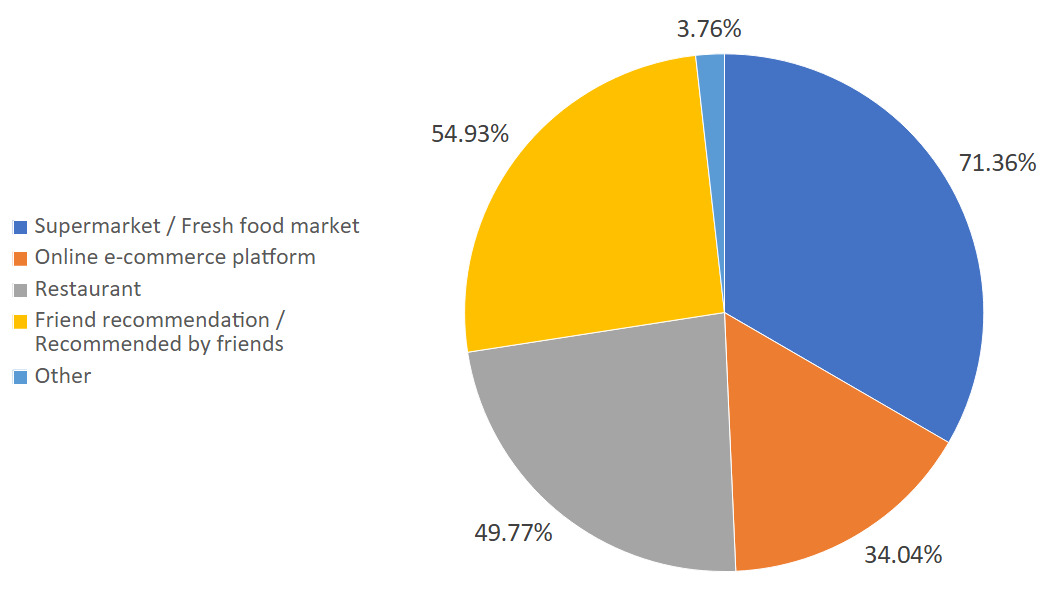
In the distribution and consumption sectors, challenges such as limited distribution channels and restricted shipping methods have hindered the market expansion of aquatic products. Inadequate cold chain logistics infrastructure and underdeveloped information platforms further amplify distribution risks. Taking turbot as an example, survey data show that among the main channels through which consumers purchase turbot, “supermarkets/fresh food markets” account for as high as 71.36%, while the penetration rate of Online e-commerce platform remains relatively low at only 34.04% (see Figure 3). Moreover, information asymmetry across various segments of the industrial chain remains a significant issue. Small-scale farmers face information barriers compared to other farming models, placing them at a disadvantage in production and sales processes while increasing operational risks. This information imbalance also adversely affects the efficiency and stability of the entire industrial chain.
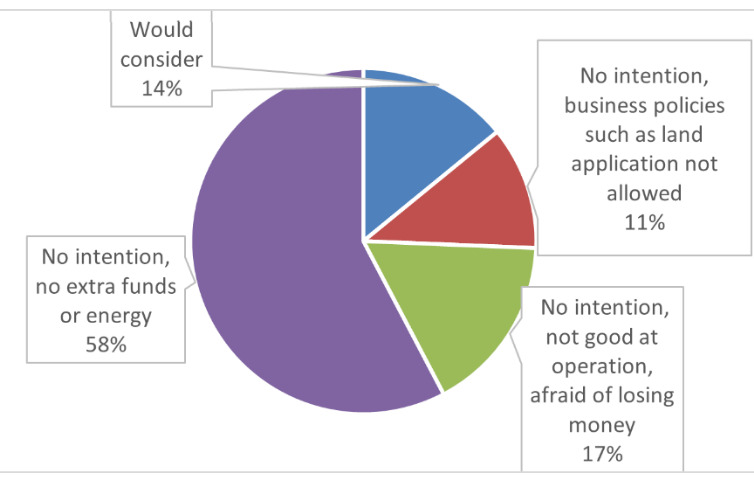
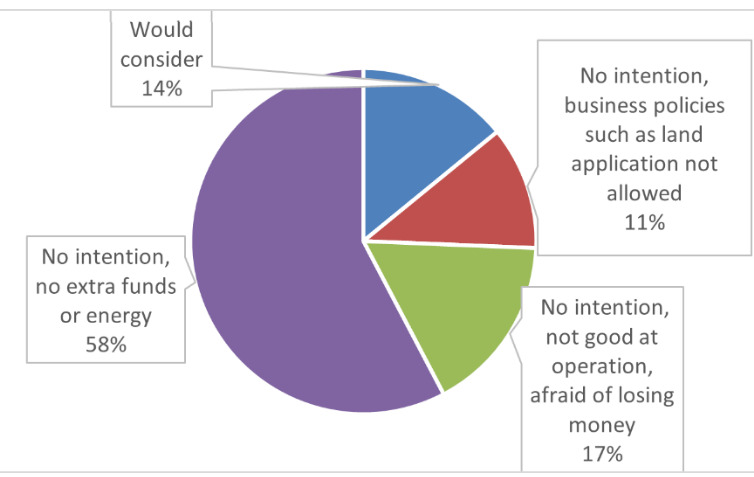
China’s aquaculture sector is predominantly characterized by small-scale, scattered operations among individual farmers, with low industrial clustering and a lack of leading enterprises to drive development. This structural gap hinders the growth of value-added industries such as deep processing and recreational fisheries. According to the National Seawater Fish Industry System 2025 survey, only 3.7% of respondents engage in recreational fisheries. Among non-operators, merely 14% expressed intentions to enter this sector in the future, while 86% currently have no plans due to insufficient capital and time commitment, as detailed in Figure 4.
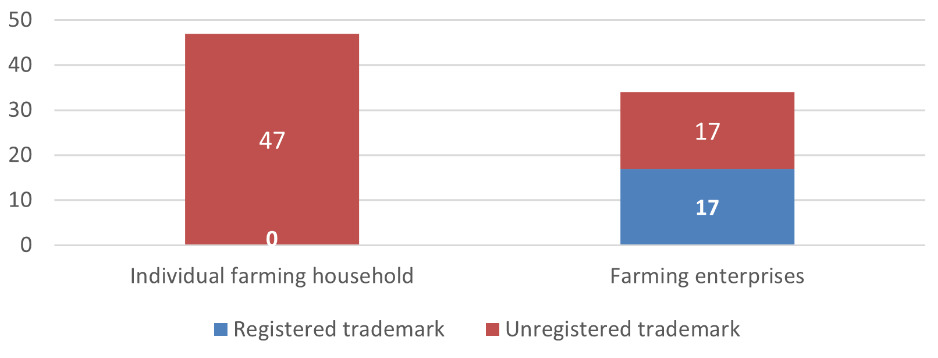
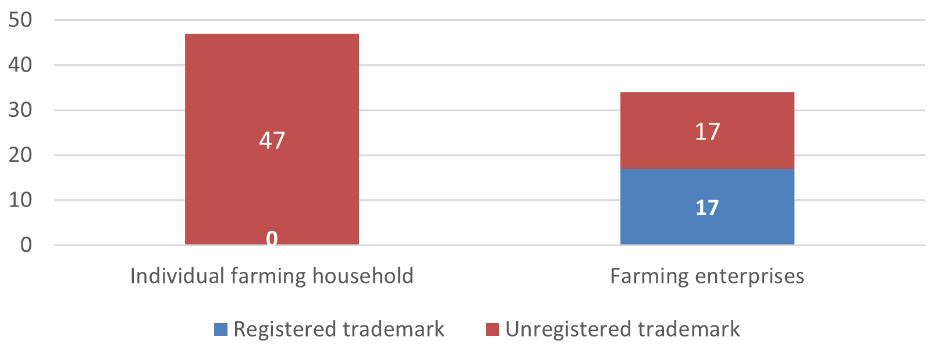
Brand development remains underdeveloped in China’s aquaculture industry. Almost all individual farming households lack registered trademarks. Moreover, they have made insufficient efforts in fostering brand culture and enhancing brand value. Consequently, they suffer from weak market competitiveness and exert limited influence in the market. According to the National Seawater Fish Industry System 2025 survey, only 50% of Farming enterprises have registered trademarks (see Figure 5). Although these companies have established basic product identification systems through trademark registration, there is significant room for improvement in brand connotation development and cultural value exploration.
3.6. Challenges to High-Quality Development in Deep-sea Aquaculture: Structural Contradictions Between New Productivity and Industrial Ecosystem
As a representative of new-quality productive forces in the aquaculture sector, China’s deep-sea aquaculture is profoundly reshaping the industrial landscape of marine fisheries. With the vigorous development of the marine economy and the in-depth implementation of the national marine strategy, China’s deep-sea aquaculture market has demonstrated unprecedented growth potential and a robust upward trend. According to the “2024-2028 China Deep-sea Aquaculture Industry Development Analysis and Investment Research Consulting Report” released by the China Research & Consulting Group Industry Research Institute, the deep-sea aquaculture market size is expected to rise from 45.7 billion yuan to 77.2 billion yuan between 2024 and 2028, with a growth rate of approximately 70%.12 However, during this rapid development process, the adjustment of industrial production relations lags behind the demands of productive forces, creating systemic constraints that hinder high-quality development. Currently, the deep-sea aquaculture industry faces structural contradictions between new-quality productive forces and outdated production relations, manifested in five aspects: technological supply, institutional safeguards, industrial collaboration, financial support, and standardization.
First, there is insufficient alignment between technological supply and industrial demand. The deep-sea aquaculture sector faces multiple technical and equipment bottlenecks. In areas such as large-scale equipment R&D, aquaculture vessel design, and integrated platform development, core technologies—including optimization of aquaculture tank depth-to-height ratios, fish tank flow field control, stress response of aquatic organisms to water turbulence, and safety validation of anti-corrosion and anti-fouling materials—still require long-term experimental validation. Automation remains limited, with critical operations like net retrieval and cleaning still predominantly manual, resulting in low efficiency. Precision operations such as “graded fish collection and batch harvesting” have yet to achieve mechanization breakthroughs. Smart aquaculture IoT systems lack precision in data acquisition, equipment durability, and decision support capabilities, while automated feeding systems cannot dynamically adjust feeding strategies based on multi-parameter marine environmental data, hindering industrial upgrading. Current industrial support policies primarily focus on short-term project funding, equipment procurement subsidies, and isolated technological breakthroughs, neglecting long-term mechanism development, basic research investment, and systemic innovation integration. The nutritional feed sector continues to face significant technical barriers. For instance, in large yellow croaker farming, utilization rates of complete compound feed remain below 30% due to insufficient nutritional physiology research, inconsistent feed processing techniques, and traditional feeding practices. This mismatch between technological policies and industrial needs directly impacts core competitiveness development. Although China has made progress in aquaculture equipment manufacturing, critical areas such as germplasm resources, feed nutrition, and disease prevention still lack technological breakthroughs, constraining high-quality development in the aquaculture industry.
Second, there exists an imbalance between institutional safeguards and industry characteristics. Deep-sea aquaculture faces dual institutional challenges: “absence of equipment property rights” and “delayed maritime area certification.” Currently, China lacks specialized legislation for deep-sea aquaculture platform certification. New facilities such as truss-frame cages and aquaculture vessels lack ownership registration rules, preventing enterprises from securing financing through collateral. Take the “Deep Blue No.1” project as an example: since its cage is located in the exclusive economic zone, it cannot obtain sea area use permits and thus cannot be used as collateral for loans. Over time, private enterprises are forced to rely on self-funded operations, ultimately risking capital chain disruptions. These institutional barriers directly weaken investment incentives for multiple capital entities. Additionally, fragmented approval processes conflict with maritime planning. In 2023, eight departments including the Ministry of Agriculture and Rural Affairs issued the “Opinions on Accelerating Deep-sea Aquaculture Development,” followed by local governments’ interim facility certification measures. However, property rights confirmation for new facilities still requires approvals from multiple departments including marine, transportation, and environmental authorities, resulting in prolonged processing cycles that hinder industry efficiency.13 Spatial planning coordination issues have become increasingly prominent. According to the latest aquaculture water area and tidal flat planning (through 2030), while large-scale aquaculture zones have been designated in offshore waters, most areas lack natural shelter conditions in open waters, leading to increased operational costs.
Third, China’s deep-sea aquaculture industry chain suffers from incomplete supporting infrastructure, hindering the formation of systemic competitiveness. In logistics and seedling transportation sectors, the cold chain logistics system for live aquatic products remains underdeveloped, with low utilization rates of specialized refrigerated vehicles and widespread reliance on modified trucks among individual wholesalers, resulting in high transportation loss rates and inadequate quality assurance. For instance, during the Spring Festival holiday, orders for Fujian large yellow croakers were delayed due to a lack of dedicated transport vessels, causing direct economic losses. The shortage of seedling transport fleets further constrains large-scale production, as enterprises frequently incur revenue losses due to delayed order fulfillment. In terms of supporting infrastructure, fishing port storage and berthing facilities fail to meet the demands of deep-sea equipment operations. Processing capabilities remain particularly vulnerable, with insufficient marine processing technologies, inadequate deep-processing facilities, and poor coordination between aquaculture and processing operations, which limits the development of high-value-added products. For example, bulk commodities like shrimp are still predominantly sold fresh, exhibiting weak market resilience, while fragmented processing capacities further compress profit margins across the industry chain. Regarding brand development, seafood market premium pricing capabilities are constrained by inadequate top-level planning, with regional public brands and corporate brands lacking unified standards and traceability systems. Consumers’ insufficient trust in the quality of deep-sea products makes it difficult to achieve premium pricing for superior products. At the policy level, fiscal support remains overly focused on subsidies for aquaculture facilities and equipment, while insufficient coverage extends to supporting sectors such as processing, cold chain logistics, and insurance services.
Fourth, inadequate financial support has led to high-risk characteristics in the industry. China’s deep-sea aquaculture sector has attracted attention from both government and private investors. In June 2023, the People’s Bank of China and other authorities issued the “Guidelines on Financial Support for Comprehensive Rural Revitalization and Accelerated Agricultural Power Development,” explicitly designating land-based and deep-sea aquaculture farms as key credit support targets.14 However, the industry still faces critical gaps. These include: First, insufficient initial investment and operational funding: For instance, the “Deep Blue No.1” aquaculture facility in Shandong Province requires 50,000 cubic meters of water storage with an investment cost of 115 million yuan; Fujian’s “Ningde No.1” and “Mintou No.1” facilities each need 65,000 cubic meters of water storage at 75 million yuan; Guangdong’s “Dehai No.1” facility requires 20,000 cubic meters of water storage with 10 million yuan investment. Second, subsidy gaps for green transformation and technological upgrades: Large-scale capital investments required for wind-solar hybrid energy system upgrades lack dedicated subsidies, hindering low-carbon transition. Third, limited risk hedging tools: Traditional insurance policies cannot conduct on-site inspections during typhoons, resulting in claim processing delays exceeding six months, which fails to effectively mitigate industry risks.
Fifth, the lag in synergy between aquaculture standards and industrial upgrading. China’s deep-sea aquaculture standard system has not kept pace with industrial development needs, becoming a bottleneck for technological integration and industrial advancement. Deep-sea aquaculture equipment must withstand harsh marine environments including winds above force 12 and salt spray corrosion, yet existing standards lack specific specifications for critical parameters such as structural strength, material corrosion resistance, and anti-tipping capabilities. For instance, facilities like “Shenghai No.1” and “Strait No.1” have experienced anchor chain fractures and capsizing due to design flaws, while “Deep Blue No.1” has undergone multiple repairs due to structural defects. Meanwhile, intelligent aquaculture systems lack unified standards for data interfaces, communication protocols, and equipment compatibility, hindering effective interoperability between sensors and monitoring devices from different manufacturers. The integration level and practicality of smart aquaculture IoT systems remain low, with underwater sensors lacking sufficient precision and durability to provide effective support for decision-making. Automatic feeders also fail to adjust feeding strategies based on marine environmental data, negatively impacting aquaculture efficiency.
4. International Experience Reference: Comparative Policy Study of Global Aquaculture Powerhouses
4.1. Norway: A Strategy Centered on Technological Innovation and Strict Regulation
The success of Norway’s salmon aquaculture industry is built upon unique natural conditions and continuously strengthened technological research foundations. With 60,000 kilometers of coastline, excellent marine ecosystems, and abundant cold water resources, Norway provides an ideal environment for salmon farming. In 2023, the country exported nearly 1.5 million tons of salmon valued at 122.5 billion Norwegian kroner, accounting for approximately 50% of global production,15 making salmon one of the nation’s most export-value-driven products. Norway has established a highly integrated industrial chain covering breeding, farming, feed production, and processing, which has led to standardized management practices.16 In brand development, the Norwegian Fisheries Agency has promoted the “Norwegian salmon is edible raw” concept since 1985 and launched the “Seafood from Norway” origin certification in 2017, successfully associating products with high quality, safety, and sustainability, thereby creating national brand premium value.17–19 Feed formulations continue to innovate, with the proportion of marine raw materials decreasing to 22.4% and plant-based raw materials increasing to 73.1% in 2020, reflecting a significant improvement in resource utilization efficiency.20 Aquaculture models also exhibit a trend toward diversification, combining land-based, enclosed marine, and offshore systems to balance production efficiency and ecological security.21
In terms of regulatory framework, Norway has established a governance system centered on licensing mechanisms through the Aquaculture Act (2005). This legislation integrates existing laws such as the Fish Farming Act (1973) and the Marine Ranching Act (2000), implementing spatial regulation based on maximum permitted biomass (780 tons per license) and “environmental signal light” rules. Coastal areas are divided into 13 production zones, with aquaculture scales dynamically adjusted according to sea louse infection rates.22 The law also mandates ecological assessments, control of invasive species and fish escapes, and stipulates ecological restoration responsibilities for post-farming operations, forming a comprehensive environmental supervision framework throughout the entire lifecycle.
In terms of fish health and welfare, Norway has stringent legislation. The Animal Welfare Act (2009) mandates effective stunning prior to slaughter to ensure painless fish mortality.23 During aquaculture operations, enterprises are required to regularly report mortality rates, disease conditions, and conduct sea louse counts to enable real-time health monitoring.24 These regulations originated from early ethical guidelines, establishing Norway’s leadership in international fish welfare protection.
4.2. Chile: Transition from Resource-Driven to Technology and Management-Driven Models
As the world’s second-largest salmon producer, Chile’s rapid growth in aquaculture benefits from a stable legal framework for foreign investment and highly open trade policies. The 2015 Foreign Direct Investment Law established principles such as non-discrimination and free capital outflows, providing transparent safeguards for foreign investors.25 Additionally, Chile has signed 33 trade agreements with 65 economies, covering 90% of global GDP and significantly boosting aquatic product exports.26 At the national level, CORFO (2016) implemented the National Strategic Plan for Aquaculture, systematically mapping industrial technology pathways and innovation directions.27 To nurture local enterprises, the Chilean government promotes technology transfer and training—such as collaborating with Japan to introduce scallop farming techniques—and establishes a franchise system to regulate marine resource use and incentivize investments.28 Following the 2007 ISAV outbreak, Chile introduced the “barrios” cluster management system, reducing disease transmission risks through zoned synchronized farming and fallow periods.29 The country actively participates in the Global Salmon Initiative (GSI), promoting ASC certification, with 70 farms currently certified to enhance international sustainability credentials.30 However, diseases such as rickettsiosis remain challenges, with limited efficacy of antimicrobial agents indicating the need for optimized vaccine strategies.31 Leading company Australis Seafoods has established a dual-brand strategy of Southring and Mama Bear through global expansion and brand innovation, covering multiple markets including Europe, America, and Asia. Its 2023 sales reached 66,392 tons of WFE (wet fish meal equivalent), with the U.S. market accounting for 31%.32 The company adheres to “antibiotic-free aquaculture” (RWA) and has obtained certification, while advancing community environmental protection and occupational health management. This demonstrates a synergistic development path integrating technology, sustainability, and brand-building, representing the successful transition of Chile’s salmon industry from a resource-driven to a technology- and management-driven model.
4.3. Southeast Asian countries: Integration of smallholder farmers with export-oriented strategies
The shrimp farming industry in Southeast Asian countries primarily adopts the “company + farmer” model, effectively integrating smallholder production with export-oriented strategies. In Brunei and Indonesia, Pinzhen Fresh Group collaborated with the Brunei Strategic Development Corporation (SDC) to introduce capital and technology, thereby driving industrial upgrading.33 Meanwhile, Haida Group implemented a full life-cycle farming solution in Indonesia using recirculating aquaculture systems, achieving ecological restoration and zero-drug aquaculture practices.34 This model not only enhances production efficiency but also ensures stable farmer incomes through contractual mechanisms while facilitating labor transition—such as Indonesian miners being trained as aquaculture technicians—thereby supporting the implementation of Indonesia’s “Global Ocean Pivot Strategy.”
In terms of international market access, Vietnamese shrimp farming has enhanced competitiveness by obtaining international certifications such as ASC and BAP. Studies indicate that large-scale farms with annual production exceeding 5,000 tons can achieve net profits within three years after certification, while small and medium-sized farmers (1,000–4,900 tons) also benefit from certification premiums after receiving approximately $30,000 in loan support every two years. However, small-scale farmers with annual production below 1,000 tons struggle to benefit due to high costs.35 Certification has also promoted ecological farming practices, such as “shrimp-mangrove” mixed systems, thereby enhancing system resilience and carbon sequestration.
In response to climate change, sea temperatures in Indonesian coastal waters have risen by 0.18°C per decade and are projected to increase by 1.39–3.68°C by the end of this century,36 leading to shifts in fishery resource distribution and declining yields. To address these challenges, the Indonesian government plans to establish 32.5 million hectares of marine protected areas by 2030, with 20 million hectares under effective management. By 2020,23.9 million hectares had been established.37 However, most coral restoration projects lack long-term maintenance, with approximately 84% relying solely on artificial reef installations that fail to sustain their effects.38 For mangrove rehabilitation, the government aims to restore or protect 600,000 hectares by 2024, leveraging funding from carbon credit trading under the REDD+ mechanism.39 In summary, shrimp farming in Southeast Asia is advancing through innovative “company + farmer” partnerships, alignment with international certifications, and climate-resilient aquaculture policies. These initiatives not only enhance industrial scale and market competitiveness but also strengthen ecological resilience, establishing a model pathway for small-scale farmers to integrate into global value chains.
4.4. International lessons and insights
International experience shows that high-quality development of aquaculture requires a systematic and forward-looking policy framework. Countries such as Norway and Chile have established scientific and stable strategic plans through strengthened top-level design. For example, Chile uses the PMC index model for dynamic policy evaluation and introduces a “contribution–benefit” linkage mechanism in quota allocation, effectively balancing industrial growth with ecological protection. Their enterprise-driven industry-university-research collaborative innovation system has facilitated technological breakthroughs across the entire chain—from breeding and farming to processing—significantly enhancing industrial competitiveness. In terms of ecological management, Norway’s precision spatial management approach, based on a licensing system and ecological zoning, offers valuable lessons for China to implement differentiated spatial planning for marine areas using its ecological red line system combined with big data. Meanwhile, the promotion of international certification schemes such as MSC and ASC highlights the critical role of standards alignment in improving the international competitiveness of aquaculture products.
Reflecting on China’s actual situation, policy needs should focus on four key areas: First, strengthening the continuity and flexibility of national strategies, establishing a collaborative central-local policy framework, and stimulating local innovation vitality through differentiated quota allocation and performance evaluation mechanisms. Second, building a market-oriented technological innovation system, supporting whole-chain technological R&D, promoting the application of smart equipment and green feeds, and accelerating the transformation of research outcomes through government-industry-university-research-user collaboration. Third, implementing precise ecosystem-based management, drawing on international experience to improve the licensing-based marine resource allocation system and optimize farming layouts using spatial analysis technologies. Fourth, accelerating the establishment of a certification system that aligns with international standards and national conditions, reducing certification costs for small and medium-sized producers through policy support, strengthening data monitoring and traceability capacity, and gradually forming a sustainable fisheries governance model with Chinese characteristics.
5. Recommendations for Improving Policy Support for High-Quality Development of Aquaculture in China
5.1. Strengthening Demand-Oriented Scientific Innovation and Industrial Integration System
Efforts should focus on addressing industrial development bottlenecks by deploying efficient and pragmatic innovation chains. In biological breeding, drawing lessons from Norway’s salmon farming experience, we must accelerate the development of high-efficiency breeding technology platforms, such as genomic selection, and concentrate resources on developing several new varieties with market competitiveness and stress-resistance traits. Intelligent equipment R&D should prioritize enhancing total factor productivity and solving practical production challenges (e.g., wind and wave resistance in deep-water cages, precision feeding systems), and promote deep integration of technologies such as IoT and big data with aquaculture applications to avoid redundant technological accumulation.
In terms of innovation mechanisms, we will strengthen collaboration among government, industry, academia, research institutions, and end-users. By leveraging national-level research capabilities and leading enterprises, we will establish innovation consortia to conduct joint research in critical areas such as seed sources and disease control. The mechanism for rapid commercialization of scientific achievements will be optimized, with streamlined approval processes for aquatic new varieties and veterinary drugs. Policy support should be precisely targeted, offering direct incentives for corporate R&D investments while directing resources toward pilot-scale maturation and industrialization phases. This will establish a closed-loop system encompassing technology development, validation and promotion, and industrial feedback.
5.2. Optimization of Production Factor Allocation Centered on Licensing Management
To balance efficiency and environmental capacity within aquaculture licensing, a multi-tiered system is necessary. First, fixed environmental limits set the regional “pie” including total pollutant caps such as maximum nitrogen and phosphorus discharge, as well as spatial density rules like cages per hectare. Within these boundaries, efficiency indicators—feed conversion ratio, water reuse, energy per ton of production, wastewater treatment, and reduced antibiotic use—determine how the pie is allocated. This balance can be achieved through weighted licensing, where higher-efficiency applicants receive larger quotas, or through tradable quotas, allowing efficient farms to sell surplus allowances to less efficient ones, thereby aligning economic and ecological objectives.
In terms of data elements, we should accelerate the establishment of a national aquatic aquaculture industry data center covering major production areas, integrating environmental, production, and disease-related data to support production decision-making, risk early warning, and industry regulation. Simultaneously, emphasis should be placed on fostering new business entities by supporting family fish farms and cooperatives, and on encouraging leading enterprises to adopt advanced production methods, while facilitating the organic integration of individual aquaculture farmers into modern industrial systems.
In terms of talent support, we will continue to implement the “Outstanding Aquaculture Engineer” training program and vocational fisherman skill enhancement initiatives, with a focus on strengthening practical skills training in green aquaculture, quality and safety management, and disease prevention and control to provide human resources support for industrial transformation. For long-term cross-departmental issues such as financial safeguards, it is recommended to advance steadily within an inter-ministerial coordination framework. At this stage, priority should be given to improving the connection mechanism between credit insurance services and new types of business entities.
5.3. Building a Modern Industrial System with Balanced Supply-Demand and Green Efficiency
The construction of industrial systems must align with the national 15th Five-Year Plan objectives while addressing the dual challenges of domestic consumption upgrading and international trade barriers.
The first priority is to optimize production structures and implement comprehensive supply regulations. While ensuring basic supply guarantees, we should conduct scientific evaluations to refine aquaculture species composition, prioritizing varieties with high market acceptance, strong economic returns, and low environmental impact. On one hand, strict spatial planning and breeding licensing systems must protect premium aquaculture bases as core production assets to stabilize supply foundations. On the other hand, market orientation and demand alignment require enhanced focus on shifting industry priorities from quantity-driven production to quality enhancement, brand development, and consumer recognition, thereby avoiding redundant supply and ensuring products achieve both production capacity and market competitiveness. Additionally, we should vigorously promote intensive models such as land-based industrialization and deep-sea equipment-based farming systems. Through facility upgrades and standardized protocols, efficiency and product quality can be improved at the source.
Second, promote deep integration and value enhancement of industrial chains. Facilitate integrated layouts of breeding, processing, and distribution, support the establishment of processing clusters in major production areas, and develop convenient and functional food processing. Acknowledge and address the increasingly stringent animal welfare and environmental standards in markets such as Europe, transforming them into endogenous drivers for domestic green production practices, including optimized breeding density and tailwater treatment.
Third, develop innovative “Fishery+” business models and establish practical brand systems. “Fishery+” refers to a development concept based on traditional aquaculture or capture fisheries that integrates with other industries such as tourism, culture, health and wellness, education, and new energy to create new business forms and models, thereby expanding the multifunctional role of fisheries and enhancing overall benefits. Its core idea is to break down industrial boundaries and achieve value addition. Promote integration between fisheries and leisure, cultural industries to expand functional applications. Brand building should transcend mere certification by strengthening end-to-end quality control and traceability systems. Actively leverage technologies like blockchain and digital twins to achieve transparent management from pond to table. Maintain brand reputation through reliable product quality and credible traceability data, enhance brand premium value, and address international market green barriers.
5.4. Accelerate the improvement of a unified national market and actively expand a new pattern of international circulation
In developing China’s domestic market infrastructure, priority should be given to eliminating regional protectionism and market fragmentation while standardizing aquatic product market regulations. Key measures include refining quality safety standards and traceability systems for aquatic products, promoting cross-regional recognition of inspection results, and establishing a nationwide cold chain logistics network covering major production and consumption zones. This network will be implemented through phased objectives: in the short term (1–2 years), pilot demonstrations will be carried out by government-led construction of two to three regional cold chain hub centers in major production areas and core consumer city clusters such as the Bohai Rim, Yangtze River Delta, and Pearl River Delta; in the medium term (3–5 years), a public-private partnership (PPP) model will be adopted to attract leading enterprises to connect these regional hubs, forming a trunk cold chain corridor running north–south and east–west; and in the long term (over 5 years), the network will be extended to cover all major aquaculture counties, with IoT technologies integrated to enable end-to-end temperature control, traceability, and smart dispatching, ultimately establishing an efficient and green national cold chain network. In addition, it is recommended to leverage digital technologies to build a national aquatic product trading platform that integrates data resources from production, distribution, and consumption stages to achieve precise supply-demand matching. Concurrently, efforts should focus on cultivating a unified factor market to facilitate cross-regional circulation of resources such as aquaculture sea area usage rights and farming equipment, thereby enhancing resource allocation efficiency. To regulate market order, it is essential to strengthen industry credit systems, improve market supervision mechanisms, and create a fair competitive environment for all market participants.
In terms of international market expansion, a more proactive strategy of openness and cooperation should be implemented. Close attention should be paid to the trend of China being a “net importer” of aquatic products and its impact on industrial chain security, while fully leveraging the institutional openness advantages brought by the customs closure operation of Hainan Free Trade Port to establish it as a frontier platform for international aquatic product trade, technological cooperation, and rule alignment, R&D and Seed Industry Hub, and Green Finance and Blue Carbon Innovation. Enterprises are encouraged to actively obtain international certifications through this platform to comply with destination-country standards. At the same time, support should be provided for enterprises to “go global,” engaging in aquaculture cooperation along the Belt and Road routes and exploring the use of Hainan as a processing and distribution center for returning shipments. Additionally, international scientific and technological cooperation should be strengthened to develop key technologies jointly; a trade friction early warning and response mechanism should be established and improved to safeguard international industrial interests.
5.5. Strengthening Legal Framework Alignment and Precise Policy Support
The revised Fisheries Law was passed on December 27, 2025, and will come into force on May 1, 2026. While the final law refines provisions regarding environmental impact assessment documents, it still lacks clear regulations on property rights arrangements such as the nature of aquaculture rights and lease terms. The relevant industry authorities therefore continue to urge the government to establish clear provisions on aquaculture rights and long-term lease terms, which are essential for stabilizing farmers’ operational expectations. Clarifying aquaculture rights and contract duration gives farmers confidence to make long-term investments in sustainable practices. It also turns these rights into bankable collateral, easing access to finance and capital. Finally, clear property rights motivate farmers to safeguard the environment and comply with regulations, underpinning the industry’s high-quality development.
In terms of protection of rights, the spirit of the Civil Code should be implemented to balance national interests with fishermen’s rights. It is essential to improve the compensation mechanism for the expropriation of sea area and tidal flat use rights and management rights, and establish a diversified compensation system encompassing land exchange, monetary compensation, employment resettlement, and social security. This will effectively safeguard fishermen’s interests and promote stable development in fishing areas.
In terms of standards and regulatory frameworks, efforts should be accelerated to formulate and revise key standards covering aquaculture capacity assessment, effluent discharge requirements, and product quality specifications, while promoting alignment between domestic and international standards. Regulatory measures include establishing a risk-based tiered classification supervision mechanism and exploring intelligent regulatory approaches, such as Real-time data collection, Virtual model, Predictive analytics, Automated or guided action. To address overlapping regulatory challenges in processing stages, a refined classification-based supervision system should be implemented. Aquatic product processing should adopt differentiated regulatory measures based on processing depth and risk levels. For low-risk products such as primary processing and seasoning products, simplified procedures may be adopted following agricultural product regulatory frameworks. High-risk products like ready-to-eat foods and prepackaged meals require comprehensive safety standards and end-to-end process supervision to build a “risk-controlled, accountability-defined” regulatory system. Concurrently, establishing regular coordination mechanisms between agricultural authorities and market regulators is essential to facilitate information sharing and law enforcement collaboration, thereby reducing institutional barriers for deep-processing enterprises.
In terms of fiscal support policies, existing funding channels will be consolidated to prioritize ecological aquaculture, facility upgrades, and seed industry innovation. Innovative subsidy mechanisms will be adopted, with greater emphasis on market-oriented approaches such as performance-based incentives and loan interest subsidies, alongside establishing a certification subsidy system. A policy evaluation mechanism will be implemented to assess implementation outcomes regularly, coupled with a “lifetime accountability system for restoration projects” to dynamically optimize policy tools. The key lies in establishing a collaborative working mechanism between government departments and central-local governments, clarifying responsibilities, and creating synergistic policy effects to ensure effective implementation of all measures.
In the field of deep-sea aquaculture, it is imperative to strengthen the top-level coordination function of national planning, promote the establishment of a unified certification system for aquaculture equipment across regions, data interoperability standards, and mutual recognition regulatory rules, eliminate barriers to factor mobility caused by policy disparities, and provide institutional safeguards for building a modern deep-sea aquaculture industry framework characterized by rational layout, unified standards, and smooth circulation.
6. Conclusion
Over the years, China’s aquaculture industry has established a comprehensive industrial system, making significant contributions to national food security, boosting farmers’ incomes, and promoting rural revitalization. Currently, the sector is at a critical juncture transitioning from rapid growth to high-quality development. Based on a review of China’s aquaculture progress, this paper analyzes key challenges hindering high-quality development while drawing on international best practices to propose policy recommendations for enhancing support mechanisms in this field.
First, China’s aquaculture industry continues to maintain global leadership in scale, but significant shortcomings persist in development quality. Issues such as genetic resource degradation, outdated breeding facilities, inadequate disease prevention capabilities, and increasing ecological pressures are becoming increasingly prominent, hindering high-quality industrial development. Second, international experience shows that successful aquaculture powerhouses have established comprehensive policy support systems, particularly accumulating valuable expertise in technological innovation, quality supervision, and market system development. Third, China’s aquaculture sector faces new opportunities and challenges. The upgrading of consumption patterns among urban and rural residents provides vast markets for premium aquatic products, while technological advancements offer new momentum for industrial transformation. However, intensified resource and environmental constraints, coupled with complex international trade dynamics, also introduce uncertainties to industry development.
To address these challenges, this paper proposes systematic policy recommendations to strengthen scientific innovation, improve policy frameworks, optimize industrial systems, and enhance international cooperation. The recommendations aim to establish a modern aquaculture industry system, driving industrial development to shift from factor-driven growth to innovation-driven growth, from scale expansion to quality improvement, and from extensive management to green development. Special emphasis is placed on balancing industrial development with ecological conservation, domestic market dynamics with global market demands, and traditional farming methods with modern technologies. The policy recommendations not only apply to China’s national context but also offer valuable insights into sustainable development, technological innovation, and international collaboration in the global aquaculture sector. These insights offer significant implications for promoting green transformation and policy formulation in the industry, while contributing to the establishment of an open, inclusive, and mutually beneficial global aquaculture governance framework.
Acknowledgments
The authors appreciate the financial assistance supported by Special Project of the Ministry of Agriculture and Rural Affairs of the People’s Republic of China (Grant No: D-8021-25-0170). The authors also acknowledge the respondents and enumerators for their outstanding assistance during data collection for the National Marine Fish Industry Technology System of China.
Authors’ Contribution
Conceptualization: Shengjie Xue (Equal), Qilei Ding (Equal). Methodology: Shengjie Xue (Equal), Qilei Ding (Equal). Formal Analysis: Shengjie Xue (Equal), Qilei Ding (Equal). Investigation: Shengjie Xue (Equal), Qilei Ding (Equal). Writing – original draft: Shengjie Xue (Lead). Writing – review & editing: Shengjie Xue (Equal), Qilei Ding (Equal). Resources: Shengjie Xue (Equal), Qilei Ding (Equal). Funding acquisition: Qilei Ding (Lead). Supervision: Qilei Ding (Lead).
Competing of Interest
The authors declare that they have no financial and personal relationships with other people or organizations that can inappropriately influence their work.
Ethical Conduct Approval – IACUC
Not applicable. This paper is a policy analysis and does not involve animal or plant experiments.
Informed Consent Statement
All authors and institutions have confirmed this manuscript for publication.
Data Availability Statement
All are available upon reasonable request.