
INTRODUCTION
The fish catch of the Dongting Lake system accounts for 1/4 to 1/3 of the total output of the Yangtze River basin and plays an important role in Hunan Province’s freshwater fisheries. The Lishui River, the fourth-largest freshwater river in China’s Hunan Province, has a wide variety of fishery resources and serves as an essential germplasm repository for fish in the Yangtze River system.1 With the continuous development of the Lishui River water conservancy project, the fish germplasm resources in the Lishui River have been significantly impacted by the hydropower project. The alteration of natural river characteristics caused by hydropower projects has resulted in severe ecological problems within the Lishui River basin.2
To safeguard fish diversity, it is imperative to understand and apply fish swimming characteristics. Fish locomotion can generally be categorized into two types: aerobic and anaerobic exercise. The critical swimming speed (Ucrit) is commonly used to assess the stable swimming state of fish in their natural habitat, serving as a crucial indicator of their aerobic performance. The critical swimming speed is primarily used to assess fish swimming ability, focusing on oxidative metabolism and enabling measurement of their sustainable aerobic capacity. Furthermore, it facilitates comparisons between different water environmental factors regarding their impact on fish locomotor abilities.2 Conversely, the bursting swimming speed (Uburst) is the principal metric for assessing anaerobic exercise in fish, which predominantly rely on white muscle and anaerobic metabolism. This parameter serves as an indicator reflecting high energy expenditure and explosive capabilities.3
Dongtingking crucian carp (Carassius auratus var. Dongting) and Plagiognathops microlepis are typical representatives of fish resources after the cascade development of the Lishui River.1 Plagiognathops microlepis, belonging to Cypriniformes, Cyprinidae, Xenocyprinae, Plagiognathops, is primarily distributed in the Yangtze River basin. The omnivorous fish exhibits a meat-loving preference, rapid growth rates, strong reproductive capacity, low disease susceptibility, and high nutritional value in China.4 Dongtingking crucian carp (Carassius auratus var. Dongting) belongs to Cypriniformes, Cyprinidae, Cyprininae, Carassius. It is a new natural diploid strain of crucian carp with bisexual reproduction, discovered in recent years in Beimin Lake on the Lishui River within the Dongting Lake water system. Due to its blue-grey body color, it is commonly known as the black-shell crucian carp. Morphologically, Dongtingking crucian carp features a raised dorsal part behind the head, a deep and thick body, and a large body size. The fish exhibits a high nutritional value and a delicious taste, making it a premium fish variety.5 They mainly inhabit large still water bodies such as the slow-flow section of the Lishui River. The study of the critical swimming speed and bursting swimming speed between the two fishes is of great significance to explore the active adaptation ability of fish when the river ecological environment changes. We studied the critical and bursting swimming speeds of two typical fish in the Lishui River by increasing flow velocity using a self-made fish swimming-ability measuring device. It conducted a systematic analysis of two types of related swimming velocities and discussed the differences and determinants of swimming velocities across fish species, with a view to providing a reference for fishery resource protection research in relevant water basins.
MATERIALS AND METHODS
EXPERIMENTAL FISH
The experimental fish were collected from Beimin Lake and the middle reaches of the Lishui River in Lixian County, Changde City, Hunan Province of China from June to July in 2025, with a total of 134 Dongtingking crucian carp (Carassius auratus var. Dongting) and 107 (Plagiognathops microlepis). 30 tails of energetic juvenile Dongtingking crucian carp (body length 9.61 ± 1.63 cm, body weight 18.26 ± 1.14 g) and Plagiognathops microlepis (body length 10.28 ± 1.17 cm, body weight 22.14 ± 4.06 g) were selected for the experiment. The experimental fish were temporarily raised in an aquarium (194 cm x 80 cm x 62 cm). The water temperature was controlled at (20±1℃), and four oxygen pumps were continuously used to oxygenate the water to ensure the normal oxygen content required for experimental fish of at least 6.7 mg/L. The experimental fish were fed with standard freshwater fish feed. During the acclimation period, compound feed was administered twice daily at 9:00 AM and 6:00 PM, at a dosage approximately equal to 3% of the experimental fish’s total body weight. Feeding was discontinued one day prior to the experiment. The water was replaced one-third every day, and feces were cleaned up regularly to keep the experimental fish in optimal condition. To reduce the stress response in fish, fish were temporarily held for 7 days and then moved to the tank’s fish observation area for 24 hours before testing began. Maintained a constant temperature (21.0±0.5℃) and natural light cycle, and supplied sufficient oxygen (≥ 6.7 mg/L), pH 7.3 or so.
EXPERIMENTAL DEVICE
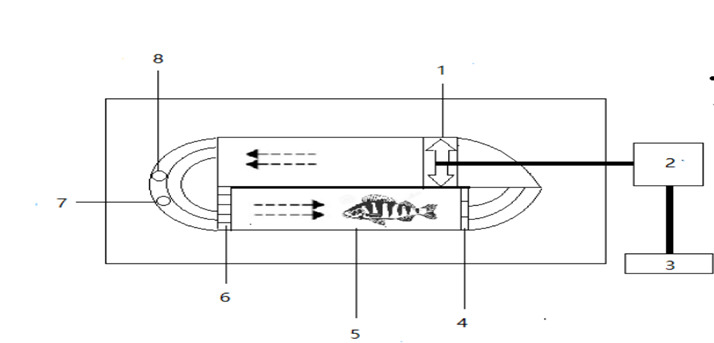
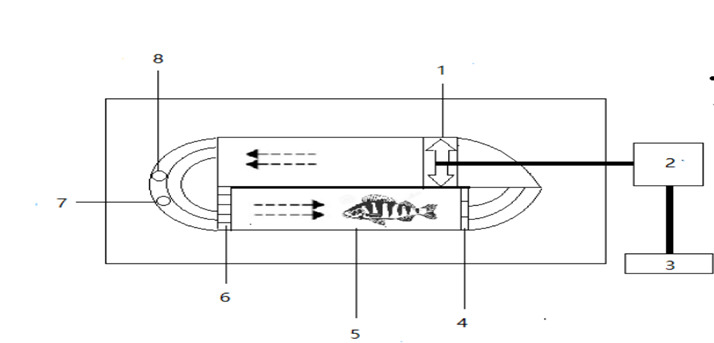
This experiment used a self-circulating fish swimming ability measuring device (Figure 1).2,6,7 The sealed volume of this device was measured to be 19.9 L. The swimming area dimensions were recorded as 0.56 m × 0.13 m × 0.1 m. The device was a self-circulating, sealable device made of stainless steel and transparent materials. The motor power was adjusted via an external inverter to vary the propeller speed, creating a circulating water flow at different flow rates. Through the rectifier, the forming flow rate could be relatively stable and uniform. A flow meter (LS300-A) (measuring range 0.01–4.00 m/s) and an inverter (0.1–100 Hz) were used to adjust the water flow velocity in the swimming area, and a conversion formula was used to calculate the water flow velocity at different inverter frequencies. A linear positive correlation between motor frequency (y) and speed (x) was established by fitting: y = 102.22x - 3.12 (R2=0.991). Finally, this relationship enabled the determination of fish swimming speeds.
THE CRITICAL SWIMMING SPEED (Ucrit)
The method for determining critical swimming speed was the flow-rate gradient method.7–9 Before conducting the formal experiment, the reference critical swimming speed (Ue) of each group was predicted. A healthy, uninjured juvenile fish was put into the swimming area and acclimated to a low velocity of less than 0.5 BL/s for a duration of 2 hours. Subsequently, the velocity was incrementally increased by 0.4 BL/s every 2 minutes until the fish fatigued and ceased movement, thereby determining △U (15% Ue) for use during the formal experiment. Before the commencement of formal experiments, a juvenile fish was subjected to an initial velocity of 0.5 BL/s for a period of 30 minutes, followed by subsequent adjustments at intervals of 0.5 BL/s every 5 minutes. Additionally, increments of 15% Ue were applied every 30 minutes after reaching approximately 60% of the predicted value until the fish were exhausted under observation. The experimental fish is considered fatigued when it stops swimming at the barrier net for 20 seconds, which serves as the fatigue threshold. The recorded data were utilized to calculate the critical swimming speed (Ucrit).
The calculation formula is as follows:
Uacrit =Ui−1+(T/ΔT)×ΔU
Urcrit =Uacrit /BL
Uacrit indicates absolute critical swimming speed, Ui-1 indicates the sub-high swimming speed of the fish before exhaustion, T indicates bursting swimming speed duration of the fish (less than 30 min), △T indicates 30 min, △U indicates 15% Ue predicted value; Urcrit indicates the relative critical swimming speed, BL indicates the fish body length.
THE BURSTING SWIMMING SPEED (Uburst)
The method for the bursting swimming speed was the flow rate gradient method too.7–9 Experimental fish were placed in the still water of the fish observation area in the tank for 24 hours to eliminate the confounding effect of the transfer process. They were then adapted to a flow rate of 0.5 BL/s for 20 min, after which the flow rate was slowly increased to 1 BL/s. At this point, the experiment begins. The flow rate was increased by 2 cm/s every 15 s until the experimental fish became tired. The water flow rate at this time was the bursting swimming speed of the experimental fish (Urburst, cm/s). Then, the experimental fish were transferred to another tank, and morphological parameters, such as body length and body weight, were recorded. To eliminate the influence of body length on the experimental data, the index was defined as the relative bursting swimming speed (Urburst, unit: BL/s). The formula is
Urburst =Uaburst /BL
In the formula, Uaburst is the absolute bursting swimming speed, and BL is body length.
DATA PROCESSING
The test data were analyzed using Excel 2024 and SPSS 22.0, and a t-test was then conducted to assess the difference between critical and bursting swimming speeds for two fish species with the same body length. In Origin 2017, the relationship chart between body length and critical swimming speed (bursting swimming speed) was used, and an equation was fitted to generate a model. Statistical values were described using (mean ± SD). The significant level of difference was P < 0.05 or P < 0.01.
RESULTS
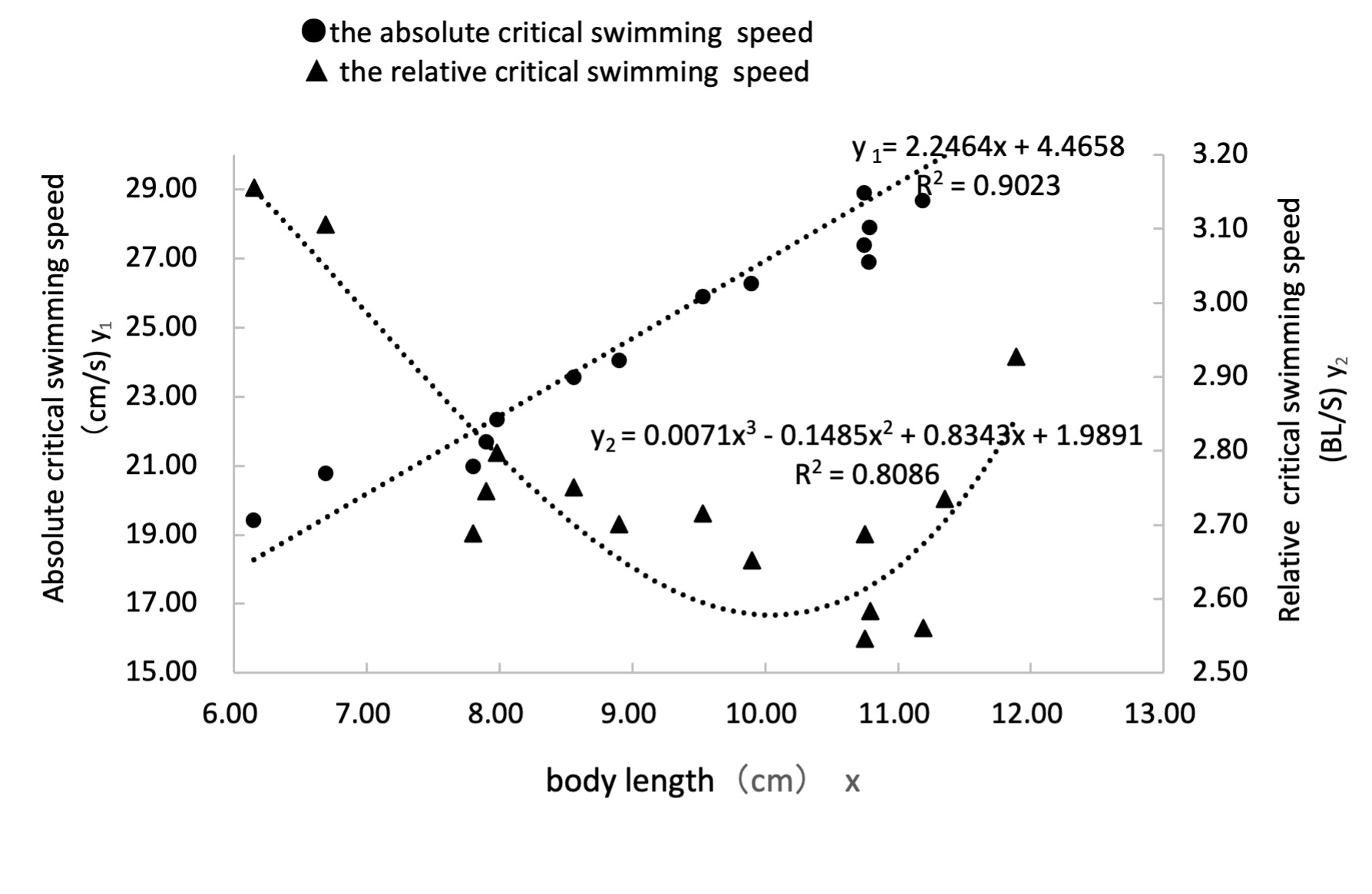
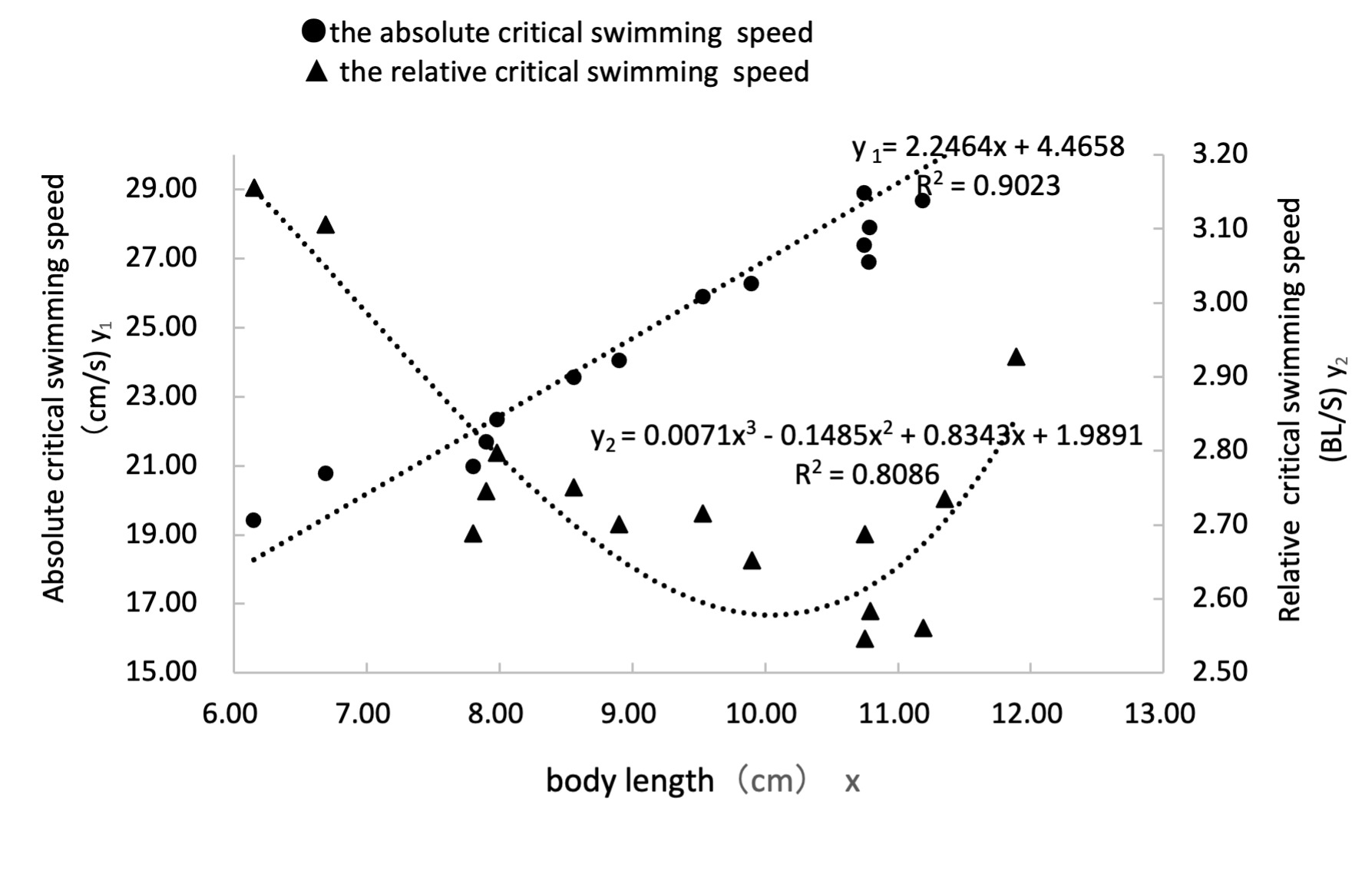
The fitting function of the relationship between the absolute critical swimming speed (Uacrit, y1) of the Dongtingking crucian carp and their body length (BL, x) was as follows: y1=2.246x+4.4658 (R2=0.9023) (4). It showed a significant positive correlation (P < 0.05), with swimming speed increasing with body length (Figure 2). The functional equation fitting the relationship between the relative critical swimming speed (Urcrit, y2) of the fish and body length (BL, x) was as follows: y2=0.0071x3 -0.1485x2 +0.8343x+1.9891(R2=0.8086) (5), showing a significant negative correlation with the increase in body length in general (P < 0.05) (Figure 2).
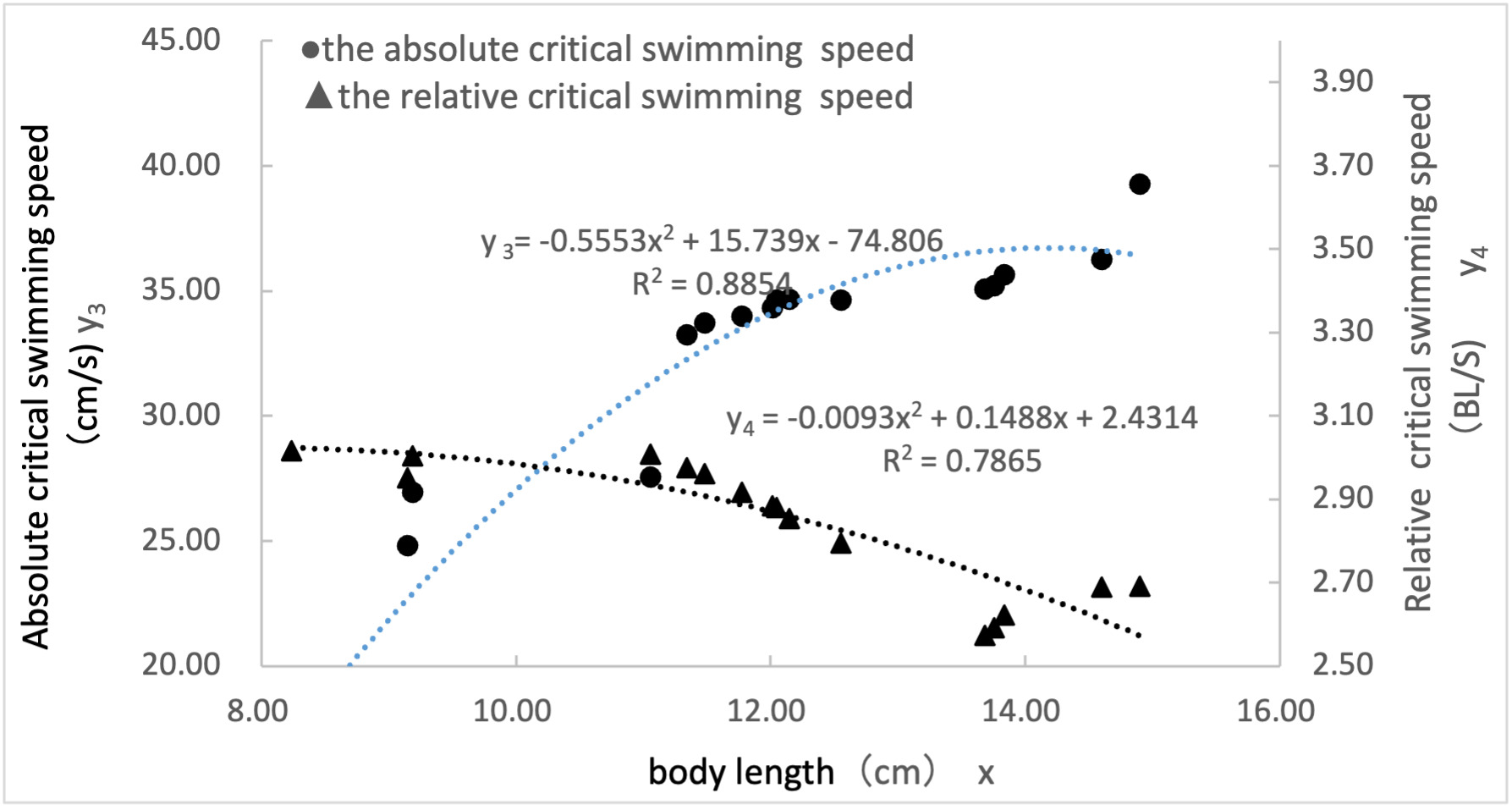
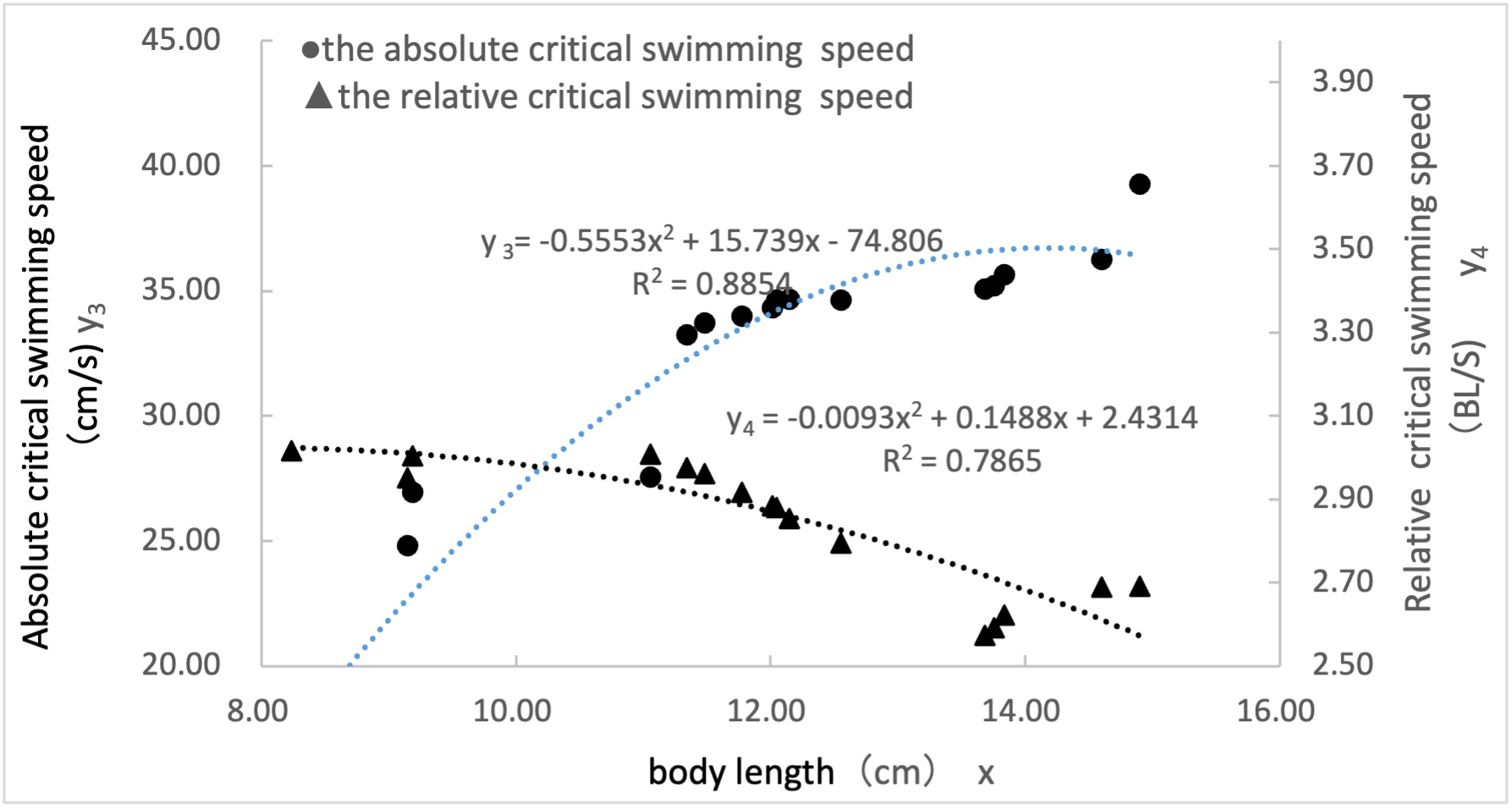
The absolute critical swimming speed (y3) of Plagiognathops microlepis was positively correlated with body length (BL, x) (P < 0.05) (Figure 3). There was a significant negative correlation between the relative critical swimming speed (Urcrit, y4) and body length (BL, x) (P< 0.05), and the relationship could be fitted as the equation:
y3=-0.5553x2+15.739x-74.806(R2=0.8854) (6),
y4=-0.0093x2+0.1488x+2.4314 (R2=0.7865) (7) (Figure 3).
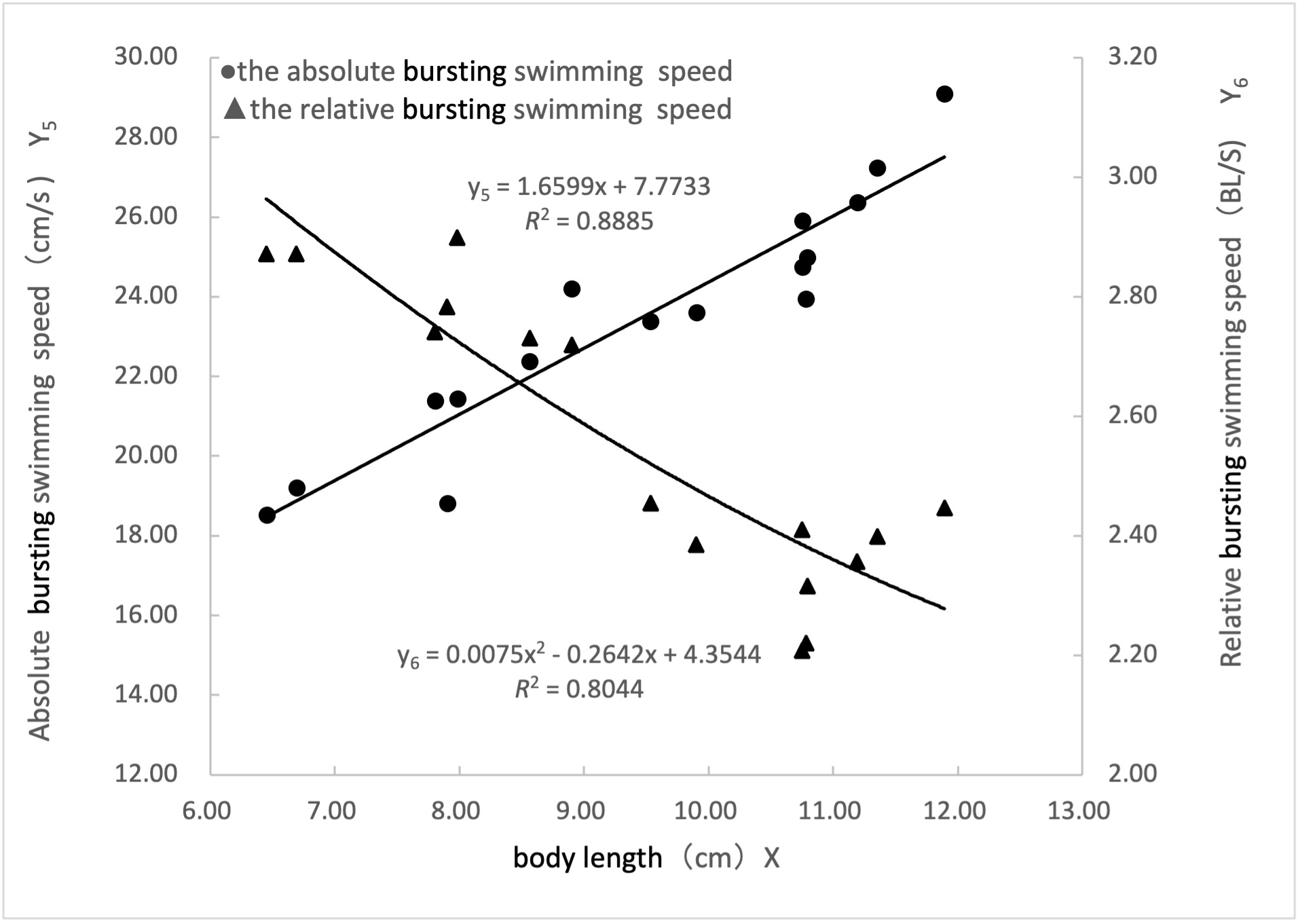
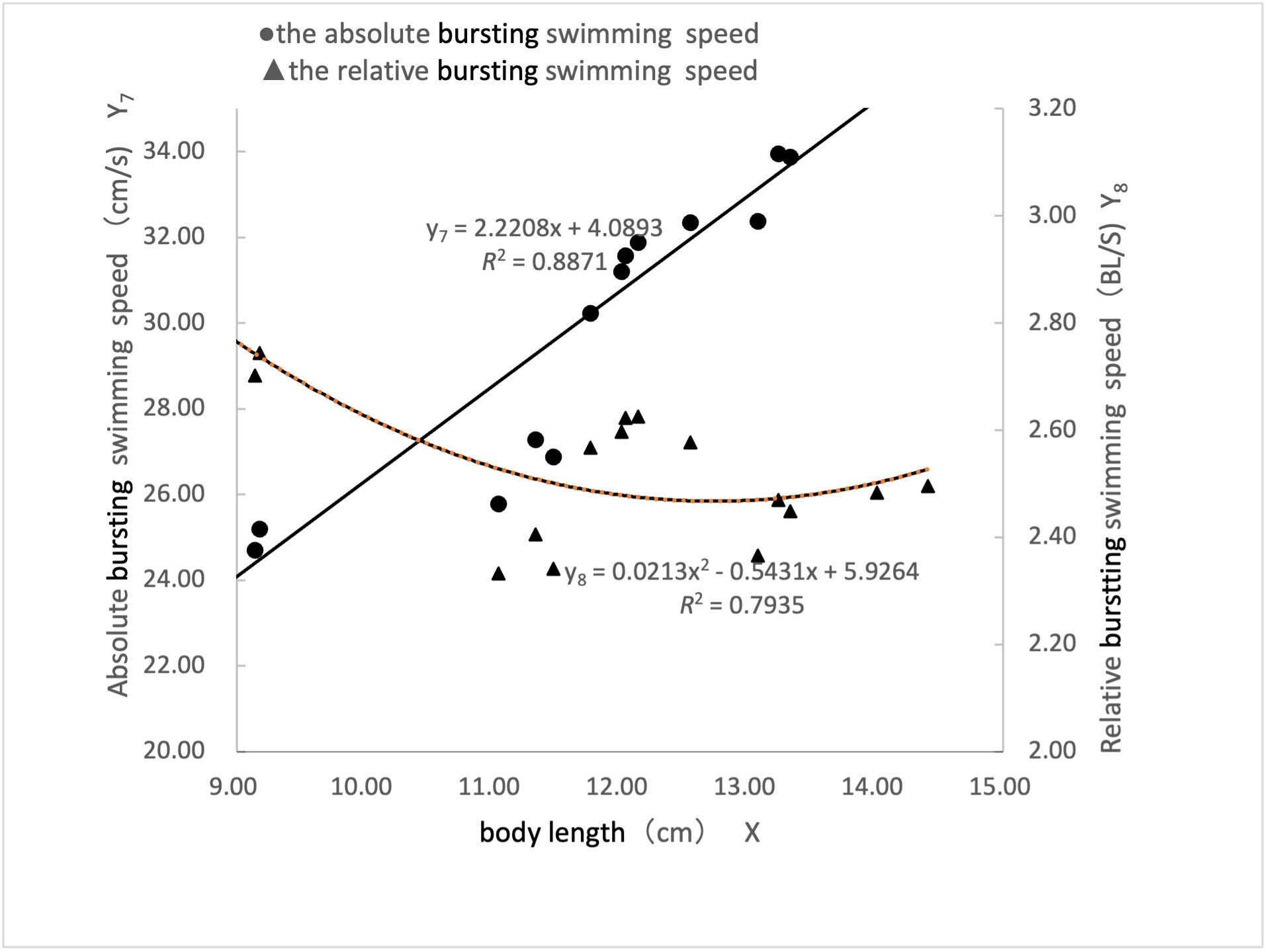
The absolute bursting swimming speed (Uaburst, y5) of Dongtingking crucian carp was positively correlated with the body length (BL, x) of the fish (P < 0.05), and this trend exhibited a positive correlation with increasing fish body length. The relationship between the relative bursting swimming speed (Urburst, y6) of the fish and the body length (BL, x) exhibited a decreasing trend with increasing fish body length. Their relationship could be fitted to the equation: y5=1.6599x+7.7733(R2=0.8855)(8), y6= 0.0075x2-0.2642x+4.4544 (R2=0.8044) (9)(Figure 4). The relationship between Uaburst (y7) of Plagiognathops microlepis and their body length (x) could be fitted to the equation: y7= 2.2208x + 4.0893 (R2 = 0.8871) (10). It was significantly positively correlated with body length (P < 0.05). The relationship between the Urburst and body length could be fitted as: y8 = 0.0213x2 - 0.5431x + 5.9264 ( R2 = 0.7935) (11), and there was a significant negative correlation with body length (P < 0.05) (Figure 5).
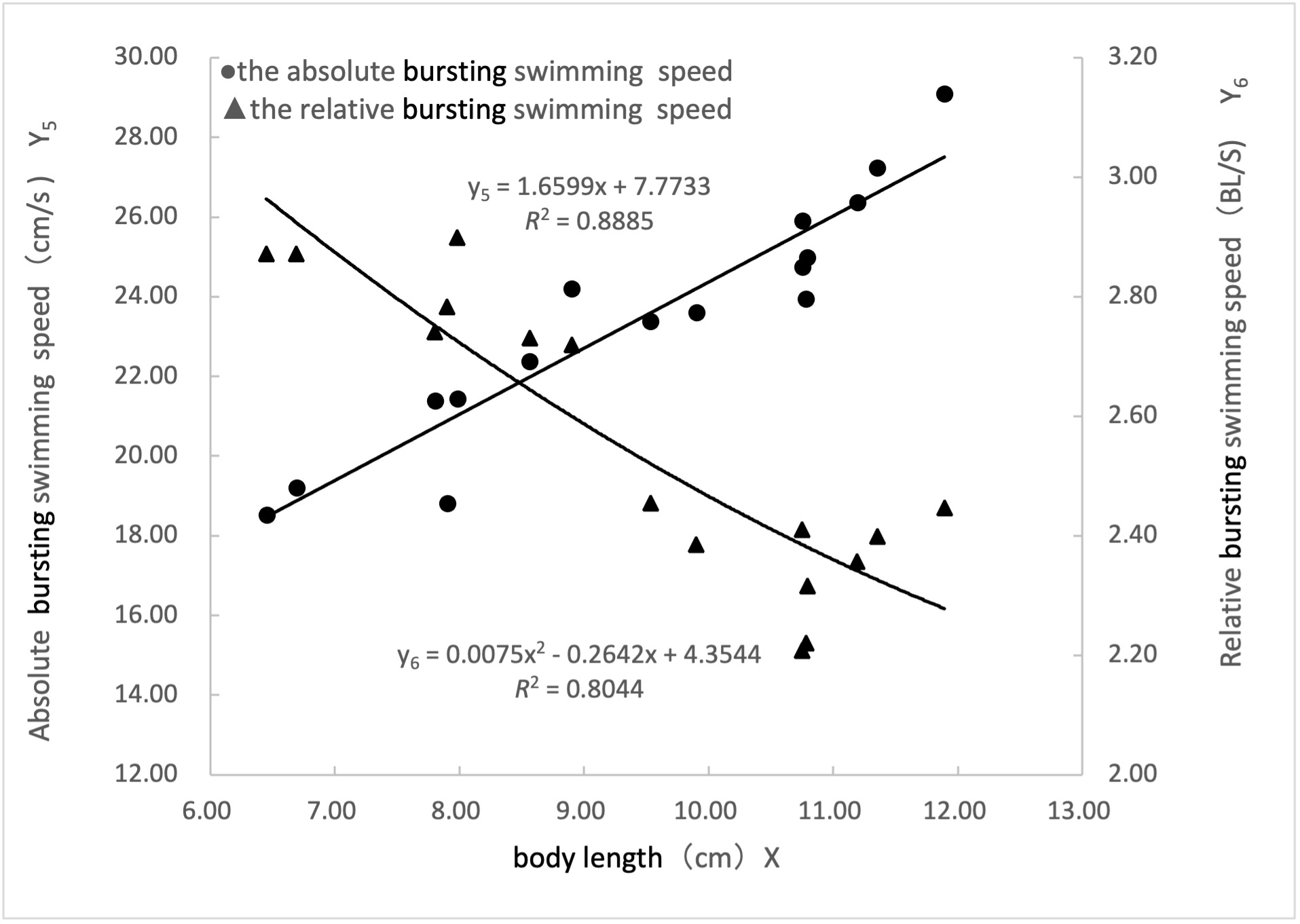
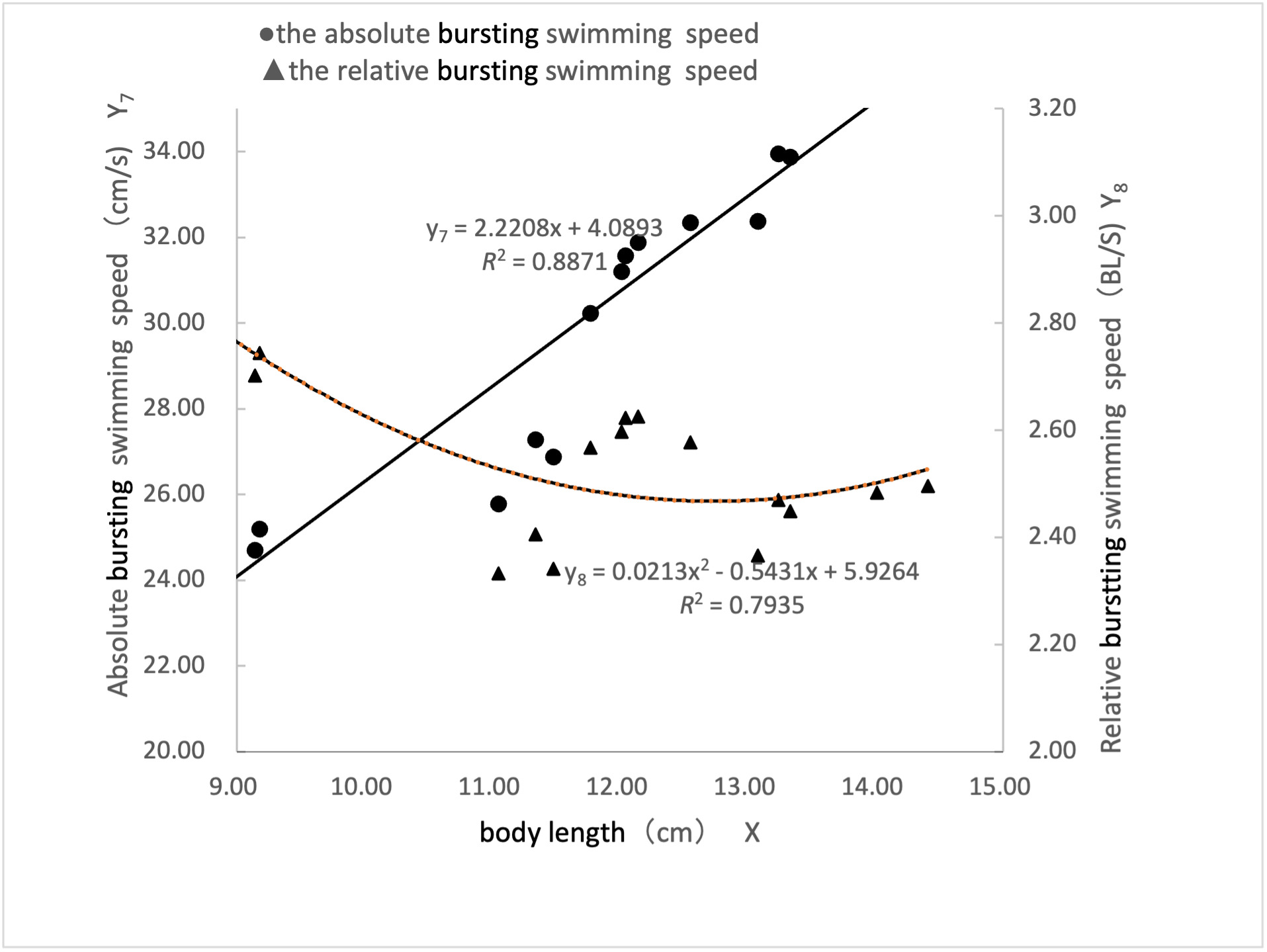
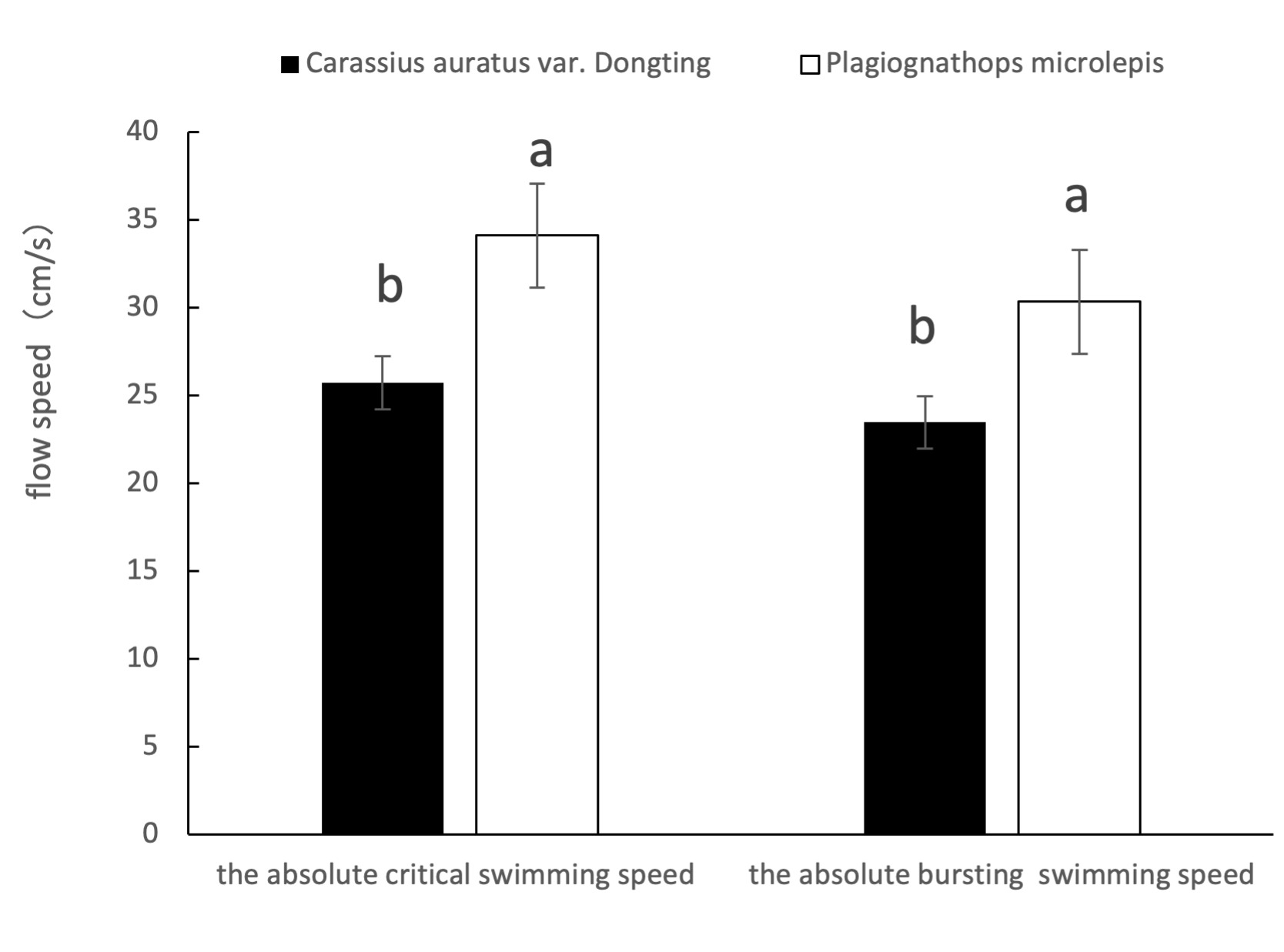
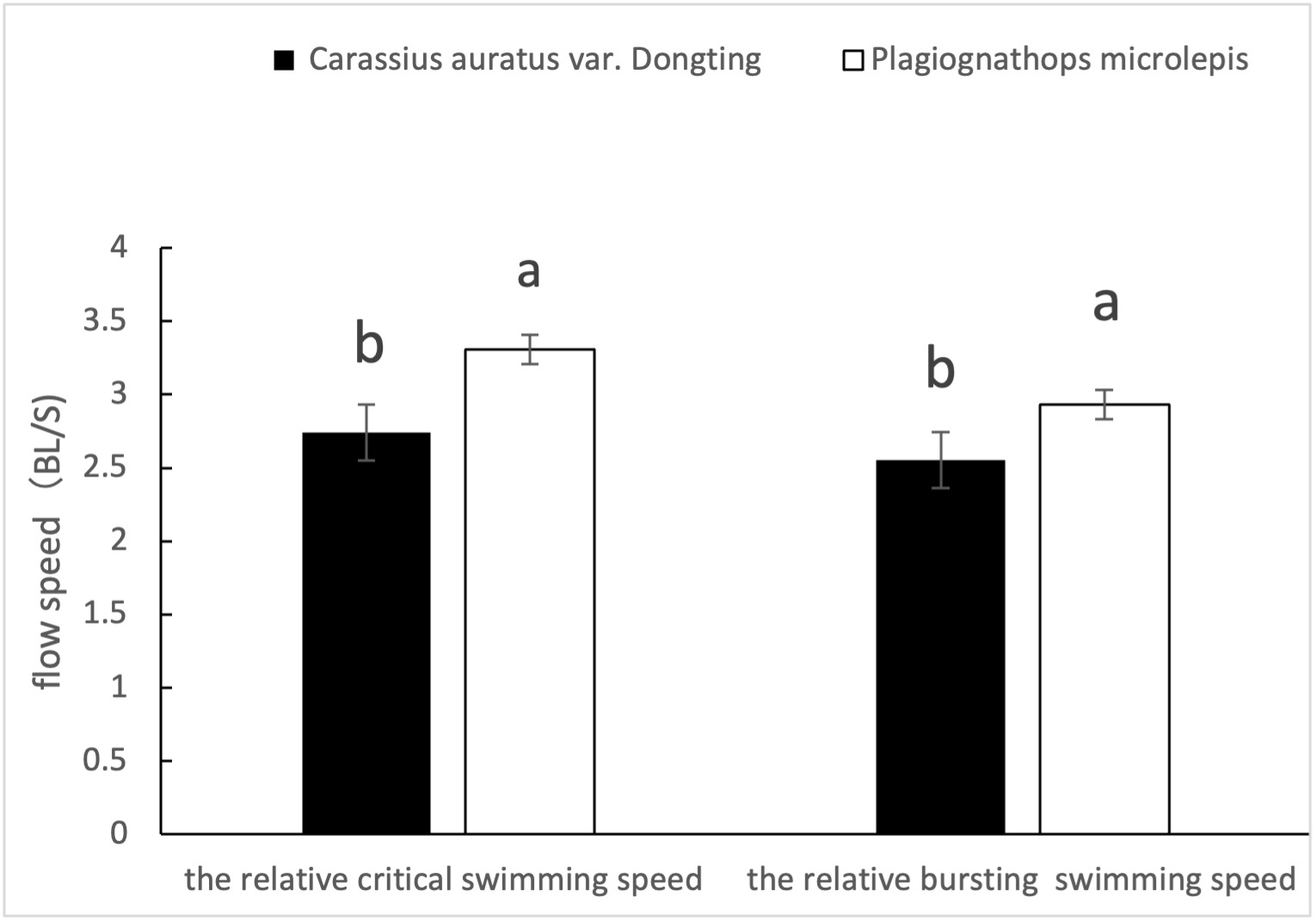
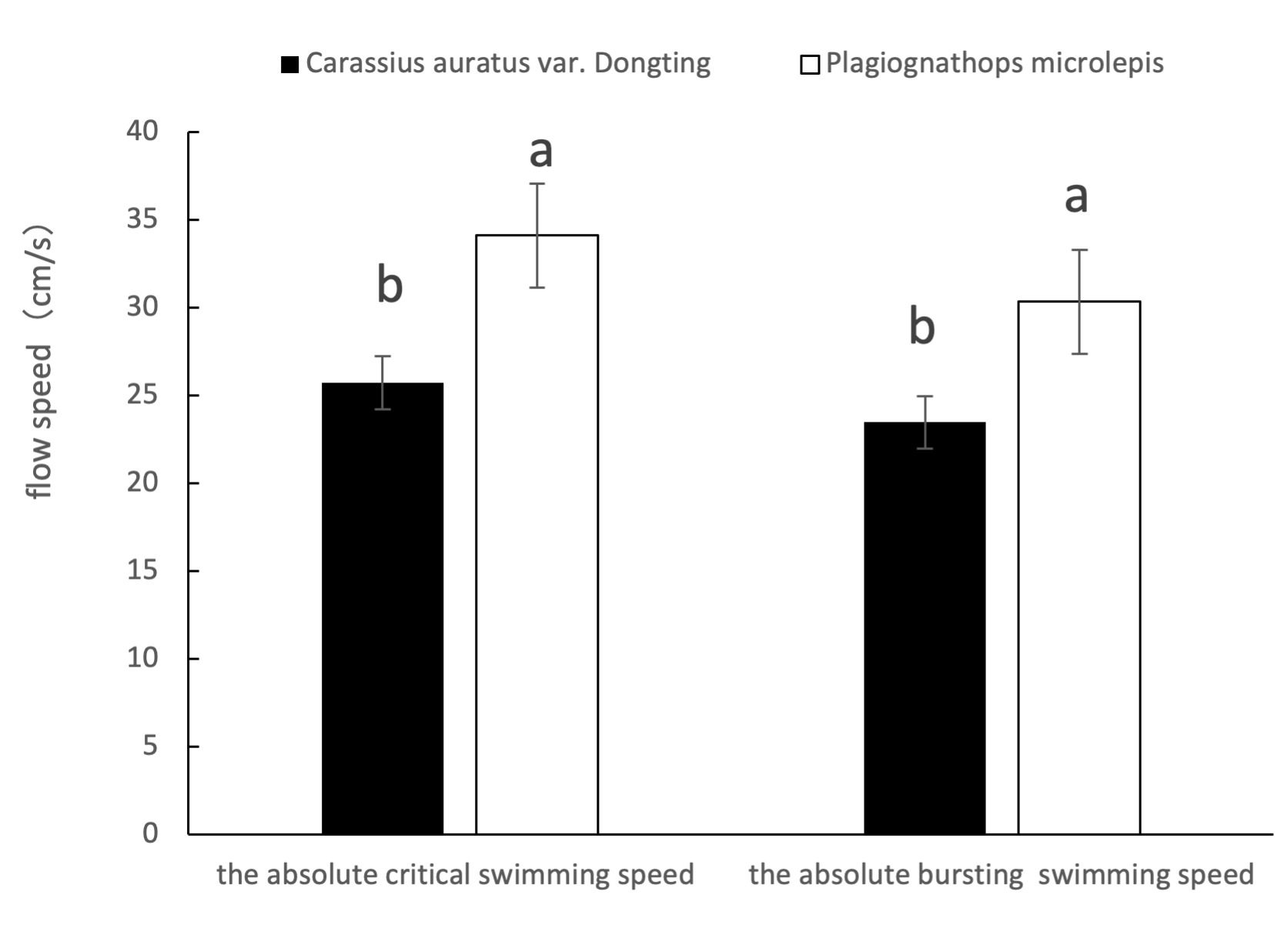
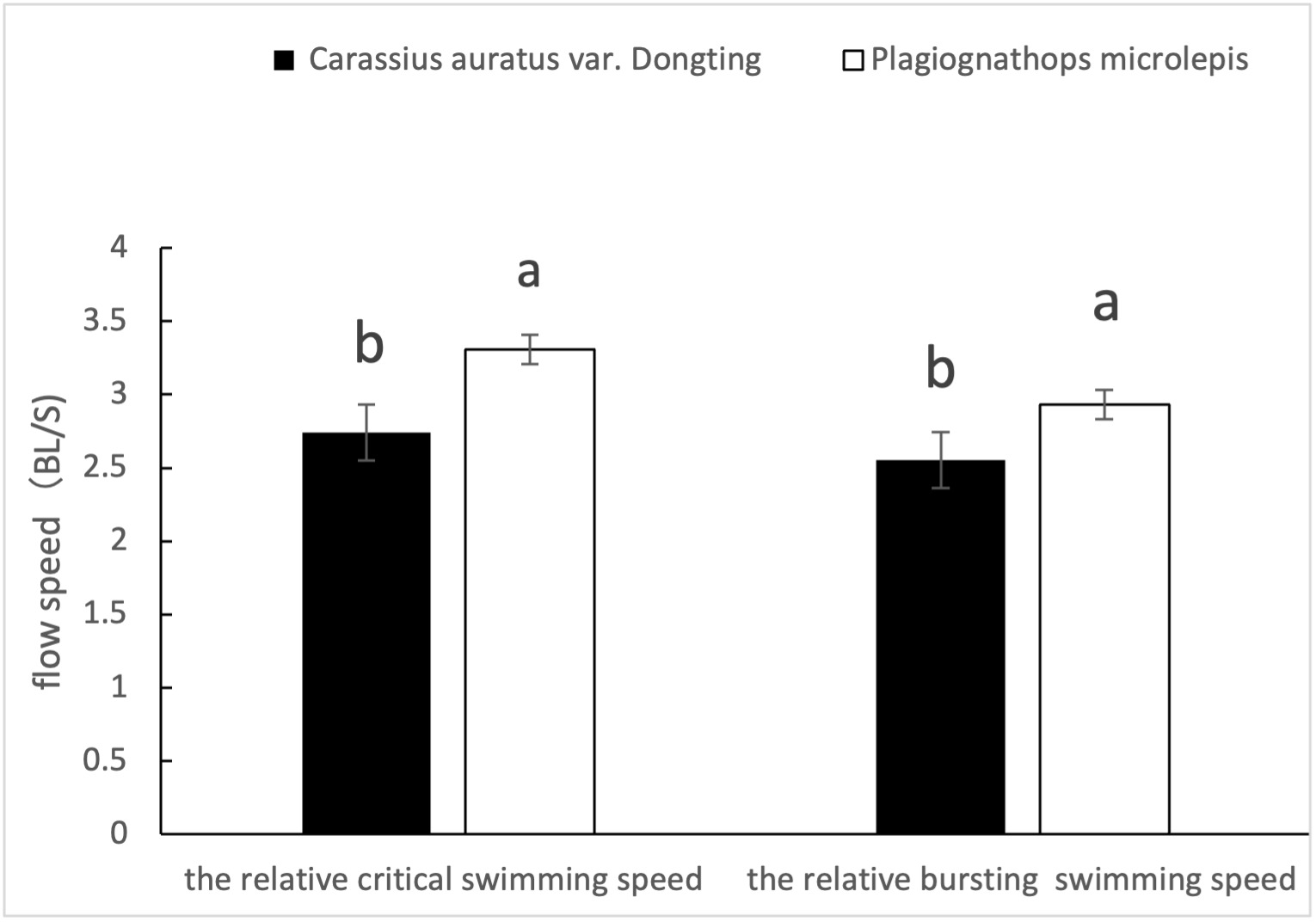
The absolute critical swimming speed (Uacrit) of Dongtingking crucian carp (Carassius auratus var. Dongting) was (25.65±2.71) cm/s, and the relative critical swimming speed (Urcrit) was (2.72±0.28) BL/s. The absolute critical swimming speed (Uacrit) of Plagiognathops microlepis was (34.09 ± 2.15) cm/s, and the relative critical swimming speed (Urcrit) of the fish was (3.31 ± 0.23) BL/s. The absolute bursting swimming speed (Uaburst) of Dongtingking crucian carp was (22.46 ± 2.31) cm/s, and the relative bursting swimming speed (Urburst) was (2.35 ± 0.12) BL/s. The absolute bursting swimming speed (Uaburst) of Plagiognathops microlepis was (30.2 ± 3.14) cm/s, and the relative bursting swimming speed was (2.93 ± 0.42) BL/s. A paired t-test was carried out on the critical and bursting swimming speeds of Carassius auratus var. Dongting and Plagiognathops microlepis had similar body lengths, and there were significant differences in bursting swimming speed and critical speed (P < 0.05). The absolute critical swimming speed and bursting swimming speed of Plagiognathops microlepis were significantly higher than those of Carassius auratus var. Dongting (Figure 6). The relative critical swimming speed and bursting swimming speed of Plagiognathops microlepis were significantly higher than those of Carassius auratus var. Dongting (P < 0.05) (Figure 7).
DISCUSSION
THE CRITICAL SWIMMING SPEED (Ucrit)
The critical swimming speed denotes the maximum sustainable and stable swimming speed that fish can maintain.10 It is commonly employed as an indicator for assessing their maximal sustained aerobic exercise capacity and metabolism (red muscle activity), as well as a standard metric for evaluating the relationship between environmental factors and swimming performance.11,12 In this study, the absolute and relative critical swimming speeds of Plagiognathops microlepis were significantly greater than those of the Dongtingking crucian carp. The critical swimming speed is associated with fish body size, caudal peduncle thickness, caudal fin dimensions, and aspect ratio.13–15 Plagiognathops microlepis has a laterally compressed body with a small and pointed conical-shaped head, a slightly arched dorsal region, a well-developed dorsal fin, and a broad, scissors-shaped caudal fin.4 Its streamlined body shape renders it more adaptable to swimming compared to Dongtingking crucian carp, thereby resulting in a higher critical swimming speed. Conversely, Dongtingking crucian carp is characterized by a raised posterior dorsal region, considerable body height and thickness, large individual size, and a small caudal fin.5 All these factors adversely affect its swimming behavior, ultimately leading to a lower critical swimming speed.
Furthermore, the difference in critical swimming speeds is closely related to the behavioral characteristics of the two fish species.16,17 In their natural habitat, Plagiognathops microlepis prefers open water bodies such as rivers, lakes, and reservoirs, inhabiting the middle and lower layers of water bodies.4 It is adapted to flowing water conditions with high action and typically moves freely while foraging. It possesses strong swimming ability and remarkable adaptability, and its well-developed visual system enables acute perception of moving objects, allowing it to survive in various water-quality conditions.18 These make Plagiognathops microlepis particularly outstanding in this regard when inhabiting slow-flow environments. In contrast, Dongtingking crucian carp predominantly inhabits areas with gentle currents and abundant aquatic vegetation, and has limited swimming ability. Apart from body length, this disparity in swimming speed between the two fish may also originate from species differences. Various fish species possess distinct morphological structures that lead to variations in swimming performance.18,19
THE BURSTING SWIMMING SPEED(Uburst)
In the natural environment, the unstable swimming behavior of fish is correlated with courtship displays, intraspecific competition, predator defense, prey capture, and navigation through rapids.20 Bursting swimming speed, also referred to as maximum swimming speed, primarily reflects and assesses a fish’s high-energy anaerobic (white muscle) swimming capacity, demonstrating the integrated performance of its musculoskeletal and nervous systems, as well as its hunting and current-adaptation abilities .21 This study revealed that both the absolute and relative bursting swimming speeds of Plagiognathops microlepis were significantly higher than those of Carassius auratus var. Dongting. For both species, absolute bursting swimming speeds increase with body length, whereas relative bursting speeds are negatively correlated with body length. These results are largely consistent with findings from other fish studies, demonstrating similar trends.6,7,20–22 Extensive research indicated that in fish with a body length ranging from 10 to 100 cm, the bursting swimming speed reaches approximately ten times their body length.12–15 This phenomenon is attributed to variations in muscle percentage and the required propulsion power per unit weight during growth, which result in an increase in absolute bursting and critical swimming speeds, whereas the relative values decrease with increasing body length.20–23 Compared with other studies, the bursting swimming speed and critical swimming speed of typical fish in the Lishui River are generally low related to the variety, water temperature, and natural flow rate at the sampling site. The experimental fish in this study came from the Lishui section downstream of the reservoir, where the water flow was relatively lower. Additionally, the bursting swimming speed of Plagiognathops microlepis is associated with its feeding habits and ecological adaptations. In natural habitats, this fish has a laterally compressed body shape, a relatively tall stature, a small pointed head, and spindle-shaped morphology, and it typically inhabits flowing waters.4 The fish must continuously move to locate food and avoid attacks from other predators. Their specialized feeding mechanisms and physical structure enable them to gradually enhance propulsion and reduce water resistance during swimming, thereby achieving high-energy-cost explosive bursting swimming. In contrast, the Carassius auratus var. Dongting inhabits the bottom layer of water bodies.5 It has a short body length and a skeletal morphology unsuitable for rapid swimming, and it exhibits weak active feeding behavior, resulting in relatively lower bursting swimming speeds.
In summary, the morphological characteristics of the two typical fish in the Lishui River, such as body shape, bones, and fins, differ, and factors such as ecological position, feeding habits, and feeding methods also differ, leading to obvious differences in their swimming abilities. Research indicates that the maximum flow velocity (V) tolerable by fish is correlated with their body length (BL), expressed by the formula V = (2–3) BL.2,24 Estimates using this formula show that the maximum flow velocities for both juvenile fish species are largely consistent with the experimental measurements. The experimental fish in this study were sourced from the middle section of the Lishui River downstream of a reservoir, where natural flow conditions are relatively low (<1.5 BL/s). To better adapt to aquatic environments, the bursting swimming speed and critical swimming speed of Lishui River fish are generally lower compared to those of freshwater rivers overseas. By studying the bursting swimming speed and critical swimming speed of two typical fish in the Lishui River, it can provide reference data for the investigation of the physiological behavior of fish in the Lishui River and the adaptation of fish to the environment, and has guiding significance for the protection, development, and utilization of economic fish resources.
Acknowledgments
This work was supported by Foundation Projects: General Project of the Hunan Provincial Department of Education (Grant No. 24C0332); Natural Science Foundation of Hunan Province (Provincial-Municipal Joint Fund) (Grant No. 2026JJ80352); Key Projects of Hunan University of Arts and Science (Grant No. 24ZZ06); Open Project of College of Life and Environmental Sciences, Hunan University of Arts and Science (Grant No. 2025KF10).
Authors’ Contribution
Conceptualization: Bolan Song (Lead), Chang Liu (Equal). Data curation: Bolan Song (Lead), Chang Liu (Equal). Formal Analysis: Bolan Song (Lead), Chang Liu (Equal), Yanping Deng (Equal). Funding acquisition: Bolan Song (Lead). Investigation: Bolan Song (Equal), Yanping Deng (Equal), Xiaowei Chen (Equal), Yingying Jiang (Equal). Methodology: Bolan Song (Lead), Chang Liu (Equal). Project administration: Bolan Song (Lead). Resources: Bolan Song (Equal), Xiaowei Chen (Equal), Yingying Jiang (Equal). Software: Bolan Song (Equal), Xiaowei Chen (Equal), Yingying Jiang (Equal). Writing – original draft: Bolan Song (Lead). Writing – review & editing: Bolan Song (Lead). Validation: Chang Liu (Equal), Yanping Deng (Equal). Visualization: Chang Liu (Equal), Yanping Deng (Equal). Supervision: Liangguo Liu (Lead).
Competing of Interest – COPE
No competing interests were disclosed
Ethical Conduct Approval – IACUC
The animal experiment was approved by the Animal Ethics Committee of the Hunan University of Arts and Science, China.
Informed Consent Statement
All authors and institutions have confirmed this manuscript for publication.
Data Availability Statement
The data used is confidential.