
1. Introduction
The rapid development of intensive aquaculture, together with the reduced supply of fishmeal, has led to a sharp increase in fishmeal prices, which greatly raises the cost of conventional aquafeeds.1 Feed costs account for more than 60% of the total production costs in aquaculture.2 Given that animal protein is generally the most expensive energy source in aquafeeds, cost-effective non-protein energy sources (primarily carbohydrates and lipids) are used as partial substitutes in feed formulation.3 Compared with lipids, carbohydrates possess prominent advantages in price and raw material accessibility, resulting in their over-supplementation in commercial aquafeeds.4 Moderate dietary carbohydrate supplementation can not only improve feed utilization and growth performance of fish, but also achieve protein-sparing effects and reduce ammonia nitrogen excretion into aquaculture water.5,6 On the contrary, excessive dietary carbohydrates trigger metabolic disorders, especially in carnivorous fish, as manifested by elevated blood glucose, hepatic oxidative stress, and hepatic steatosis.7–9 Nevertheless, effective nutritional regulation strategies to counteract the wide-ranging adverse effects of long-term high-carbohydrate feeding remain limited. Therefore, it is imperative to explore feasible approaches to mitigate the harmful effects of high-carbohydrate feeds on fish.
To mitigate the adverse impacts of high-carbohydrate diets on fish, previous studies have investigated the application of functional feed additives. For instance, sodium butyrate has been verified to alleviate hepatic lipid deposition induced by high-carbohydrate feeds.10 Similarly, quercetin can attenuate excessive hepatic glycogen and lipid accumulation, as well as reduce serum glucose levels in fish fed high-carbohydrate diets.11 Betaine, a quaternary ammonium alkaloid also known as trimethylglycine, was first isolated from sugar beet molasses.12 Betaine possesses antioxidant and anti-inflammatory properties, and exerts beneficial regulatory effects on lipid, glucose, and homocysteine metabolism.13,14 Numerous mammalian studies have confirmed that betaine plays an indispensable role in hepatic physiological functions. In mammalian diabetic models, betaine alleviates high-glucose-triggered oxidative stress in granulosa cells by upregulating the transcriptional expression of Nrf2, CAT, SOD1 and GPX genes.15 In obese mouse models, betaine improves obesity induced by high-fat and high-carbohydrate diets by enhancing glucose uptake, suppressing gluconeogenesis, and reducing serum glucose and hepatic triglyceride concentrations.16 Meanwhile, existing research has also explored the regulatory functions of betaine in glucose and lipid metabolism of fish. For example, supplementation with 1% betaine in high-carbohydrate diets alleviated hepatic lipid deposition and shifted energy storage toward hepatic glycogen in mandarin fish (Siniperca chuatsi).17 A study on blunt snout bream (Megalobrama amblycephala) reported that dietary supplementation of 1.2% betaine modulated glucose metabolism by promoting glycolysis and inhibiting gluconeogenesis.18 Although accumulating evidence has validated the protective potential of betaine, the exact molecular mechanisms underlying its hepatoprotective effects in fish fed high-carbohydrate diets remain poorly characterized. Specifically, further research is required to elucidate how betaine maintains hepatic metabolic homeostasis in carnivorous fish subjected to long-term high-carbohydrate feeding.
Largemouth bass (Micropterus salmoides), also known as California bass, was introduced into China in the 1980s and has been widely cultivated owing to its fast growth rate, strong environmental adaptability and high nutritional value.19 According to the 2025 China Fishery Statistical Yearbook, the annual output of largemouth bass in China reached 938,509 tons, reflecting promising market prospects for this species.20 As an obligate carnivorous fish, the largemouth bass exhibits a limited capacity to utilize dietary carbohydrates compared with omnivorous and herbivorous fish species. Dietary carbohydrate levels exceeding 15% lead to excessive hepatic glycogen and lipid accumulation, suppress the activities of hepatic antioxidant enzymes, disrupt systemic health and hepatic metabolic homeostasis, and ultimately trigger liver injury.21,22 In particular, dietary starch concentrations above 14.4% readily induce metabolic liver disease (MLD) in largemouth bass.23 Therefore, the adverse effects caused by high-carbohydrate diets severely limit the sustainable development of largemouth bass aquaculture. To date, the regulatory effects and underlying molecular mechanisms of betaine on hepatic antioxidant capacity and glycolipid metabolism in largemouth bass remain poorly understood. In this study, an 8-week feeding trial was conducted by supplementing high-carbohydrate diets with graded levels of betaine. We hypothesized that optimal dietary betaine supplementation could effectively enhance hepatic antioxidant capacity and ameliorate high-carbohydrate-induced glucose-lipid metabolic disorders in largemouth bass. The present study aims to clarify the alleviative effects of betaine on high-carbohydrate-triggered hepatic metabolic damage and provide a theoretical basis for the application of betaine as a functional feed additive to improve dietary carbohydrate utilization efficiency and facilitate the healthy and efficient culture of largemouth bass.
2. Materials and methods
2.1. Feed preparation
The formulation of experimental diets is presented in Table 1. Fish meal, soy protein isolate, and wheat gluten were used as dietary protein sources, fish oil served as the lipid source, and corn starch was the carbohydrate source in this experiment. The supplemental level of corn starch was referenced from previous studies.24–26 Six experimental diets were formulated, including a low-carbohydrate diet (LC, containing 8% corn starch), a high-carbohydrate diet (HC, containing 20% corn starch), and four high-carbohydrate diets supplemented with graded levels of betaine: 0.5% (HCB1), 1.0% (HCB2), 1.5% (HCB3), and 2.0% (HCB4). The supplemental dosages of betaine were determined according to previous relevant studies.27,28 Briefly, all solid ingredients were sieved through a 60-mesh screen and accurately weighed, followed by thorough blending via the serial dilution method (mixing minor components with major raw materials step by step). The homogeneous mixture was extruded into pellets with a diameter of 5 mm using a pellet mill (CD4 × 1 TS, South China University of Technology, Guangzhou, China). The obtained feed pellets were oven-dried at 55 °C. After drying, all diets were labeled, hermetically sealed, and stored at −20 °C for subsequent feeding trials.
2.2. Fish and feeding trial
Juvenile largemouth bass were purchased from a commercial fish farm in Zhangzhou City, Fujian Province, China. All fish were acclimated for two weeks in circular 1200 L plastic tanks at the Aquaculture Experimental Station of Jimei University. After the acclimation period, a total of 270 healthy and uniform-sized juvenile largemouth bass with an initial body weight of 4.34 ± 0.11 g were randomly distributed into 18 experimental 65 L tanks. The feeding trial consisted of six dietary treatments with three replicate tanks per group and 15 fish per tank.
During the feeding trial, fish were hand-fed the corresponding experimental diets twice daily (09:00 and 17:00) to apparent satiation. Siphoning of residual feed and feces was conducted 30 min after each feeding. Approximately 30% of the tank water was replaced daily after the afternoon siphoning procedure. A recirculating aquaculture system was used throughout the trial. Dissolved oxygen (DO), water temperature, pH, ammonia nitrogen and nitrite nitrogen were monitored daily to maintain stable water quality conditions: dissolved oxygen ≥ 7 mg/L, water temperature 25 ± 2 °C, pH 6.7–7.2, ammonia nitrogen < 0.1 mg/L, and nitrite nitrogen < 0.08 mg/L.
2.3. Sample collection
After an 8-week feeding trial, all experimental largemouth bass were subjected to a 24 h fasting period. Fish were anesthetized with 150 mg/L eugenol aqueous solution. All fish survived the entire feeding period, resulting in a 100% survival rate. Each replicate tank initially contained 15 fish, and all individuals were counted and weighed to determine growth performance parameters, including weight gain rate (WGR), specific growth rate (SGR), feed conversion ratio (FCR), and hepatosomatic index (HSI). The calculation formulas for these indicators followed previous studies conducted in our laboratory.29 For subsequent biochemical and molecular analyses, eleven fish were randomly selected from each replicate tank, and both blood and liver samples were collected from the same individual fish. Whole blood was kept at 4 °C for 20 h and subsequently centrifuged (3000 × g, 10 min, 4 °C) to isolate serum. The harvested serum samples were stored at −80 °C for subsequent serum biochemical analysis. After blood collection, liver tissues from the same fish were dissected and collected to determine antioxidant enzyme activities and to conduct quantitative real-time PCR (qRT-PCR) analysis.
2.4. Determination of Serum and Hepatic Antioxidant Indices
Serum and liver samples prepared as described above were used to measure antioxidant parameters. All antioxidant indices in serum and liver were determined using commercial assay kits purchased from Nanjing Jiancheng Bioengineering Institute, and all operations were conducted strictly in accordance with the manufacturer’s protocols.
The hepatic antioxidant biomarkers detected included total antioxidant capacity (T-AOC, Cat. No. A015-2-1), catalase (CAT, Cat. No. A007-1-1), malondialdehyde (MDA, Cat. No. A003-1-2), superoxide dismutase (SOD, Cat. No. A001-3-2), and reduced glutathione (GSH, Cat. No. A006-2-1).
2.5. Analysis of Hepatic Glycometabolic Enzyme Activities
The liver samples obtained above were used to determine the activities of glycometabolic enzymes. All enzyme activities were quantified using commercial assay kits supplied by Nanjing Jiancheng Bioengineering Institute, and all experimental procedures were performed strictly following the manufacturer’s instructions.The hepatic glycometabolic enzymes measured were hexokinase (HK, Cat. No. A077-4-1), phosphofructokinase (PFK, Cat. No. A129-1-1), and pyruvate kinase (PK, Cat. No. A076-1-1).
2.6. Determination of Serum Biochemical Parameters
The serum samples prepared as described above were used to detect serum biochemical indices. All commercial assay kits for the determination of glucose (GLU, Cat. No. A154-1-1), aspartate aminotransferase (AST/GOT, Cat. No. C010-2-1), alanine aminotransferase (ALT/GPT, Cat. No. C009-2-1), total cholesterol (TC/T-CHO, Cat. No. A111-1-1), triglyceride (TG, Cat. No. A110-1-1), high-density lipoprotein cholesterol (HDL-C, Cat. No. A112-1-1), and low-density lipoprotein cholesterol (LDL-C, Cat. No. A113-1-1) were purchased from Nanjing Jiancheng Bioengineering Institute. All detection operations were carried out strictly in accordance with the manufacturer’s protocols.
2.7. Quantitative Real-Time PCR (qRT-PCR)
Total RNA was isolated from hepatic tissues with the SteadyPure RNA Extraction Kit (Accurate Biotechnology (Hunan) Co., Ltd., Hunan, China). Purified total RNA was reverse-transcribed into cDNA using the Evo M-MLV RT Mix Kit with gDNA Clean for qPCR Ver.2 (Accurate Biotechnology (Hunan) Co., Ltd., Nanjing, China).
Quantitative real-time PCR (qRT-PCR) amplification was carried out on a real-time PCR instrument using the SYBR Green Premix Pro Taq HS qPCR Kit (Accurate Biotechnology (Hunan) Co., Ltd., Nanjing, China) as fluorescent dye. Each amplification reaction was prepared in a total volume of 20 μL, and three technical replicates were arranged for each sample. Melting curve analysis was performed on the LightCycler®480 II after amplification. Primer sequences of genes are presented in Table 2.
2.8. Data Analysis and Graph Preparation
Statistical analysis of experimental data was performed using SPSS 25.0 software. The normality and homogeneity of variances of the data were verified by Shapiro–Wilk test and Levene’s test, respectively. One-way analysis of variance (ANOVA) was applied to compare differences among all experimental groups. When significant differences were detected, Duncan’s multiple range test was used for post hoc multiple comparisons. All experimental results are presented as mean ± standard deviation (SD), and significant differences between groups are indicated by different superscript letters (P < 0.05). Experimental tables were compiled in Microsoft Excel 2019, and graphs were generated in GraphPad Prism 10.6.
3. Results
3.1. Effects of betaine on growth performance, serum biochemical and antioxidant indices of largemouth bass
Growth performance data of largemouth bass fed betaine-supplemented diets have been reported in our previous publication.29 Compared with the HC group, dietary supplementation with 0.5% betaine significantly elevated WGR and SGR, while markedly reduced FCR of largemouth bass (P < 0.05). In addition, betaine supplementation significantly decreased HSI relative to the HC group (P < 0.05). The serum biochemical parameters of largemouth bass in response to dietary betaine are presented in Table 3. Compared with the LC group, the HC group exhibited significantly higher serum AST activity, as well as increased concentrations of GLU, TG, TC and LDL-C (P < 0.05). Relative to the HC group, all HCB treatments showed remarkable reductions in serum AST activity, GLU, TG, TC and LDL-C levels (P < 0.05). Meanwhile, serum ALT activity was significantly lower in the HCB4 group than that in the HC group (P < 0.05). No significant intergroup difference was observed in serum HDL-C concentration (P > 0.05).
The serum antioxidant capacity of largemouth bass fed experimental diets are summarized in Table 4. Compared with the LC group, the HC group exhibited significantly lower SOD activity, T-AOC and GSH content (P < 0.05). Relative to the HC group, T-AOC was markedly elevated in the HCB1 group, and SOD activity as well as GSH concentration were significantly increased across all HCB treatments (P < 0.05). No significant intergroup differences were detected in serum CAT activity and MDA content (P > 0.05).
3.2. Effects of betaine on hepatic antioxidant capacity of largemouth bass
The hepatic antioxidant capacity of largemouth bass is presented in Table 5. Compared with the LC group, the HC group showed significant reductions in hepatic SOD activity and GSH content, accompanied by a remarkable increase in MDA concentration (P < 0.05). Relative to the HC group, hepatic MDA levels were significantly decreased in the HCB1, HCB2 and HCB3 groups (P < 0.05). Additionally, all HCB treatments possessed substantially higher hepatic SOD activity and GSH content (P < 0.05). No statistical difference was observed in hepatic CAT activity among all experimental groups (P > 0.05).
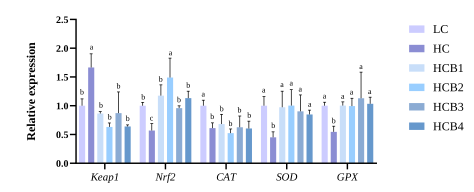
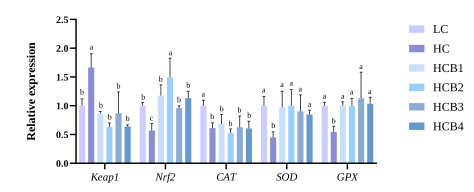
The mRNA expression levels of hepatic antioxidant-related genes are shown in Figure 1. Compared with the LC group, the HC group displayed significant downregulation of hepatic antioxidant genes including CAT, SOD and GPX (P < 0.05). By contrast, betaine supplementation markedly upregulated the mRNA expression of SOD and GPX (P < 0.05). The Nrf2-Keap1 pathway serves as the core regulatory cascade to sustain intracellular redox balance. In the present study, the HC group exhibited significantly lower Keap1 transcription and remarkably higher Nrf2 mRNA abundance relative to the LC group (P < 0.05). Supplemental betaine markedly downregulated Keap1 mRNA expression and upregulated Nrf2 transcription (P < 0.05).
3.3. Effects of betaine on glucose metabolism in largemouth bass
The activities of key glycolytic enzymes in largemouth bass are shown in Table 6. Compared with the LC group, significantly elevated activities of HK, PFK and PK were detected in the HC group (P < 0.05). Compared with the HC group, no significant differences were observed in the activities of HK, PFK, and PK in the HCB group(P > 0.05).
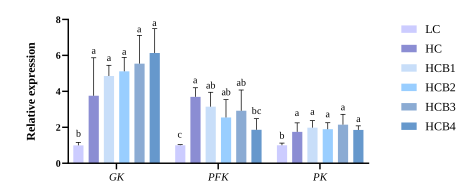
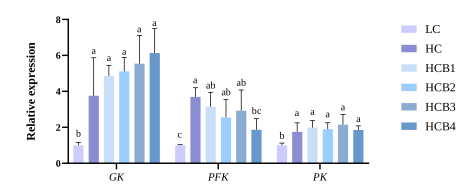
The mRNA expression levels of key glycolysis-related genes are shown in Figure 2. Relative to the LC group, the HC group exhibited significant upregulation of GK, PFK and PK gene transcripts (P < 0.05). Compared with the HC group, dietary supplementation with 0.5%–1.5% betaine numerically reduced PFK expression without statistical significance (P > 0.05), whereas 2% betaine supplementation markedly downregulated PFK transcription (P < 0.05).
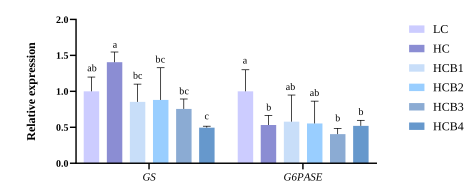
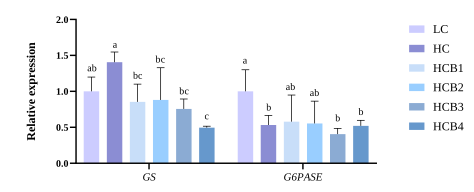
The transcriptional profiles of genes involved in gluconeogenesis and glycogen synthesis that are regulated by betaine are shown in Figure 3. Compared with the LC group, the hepatic mRNA expression of G6PASE was significantly down-regulated in the HC group (P < 0.05). The GS expression level showed an upward trend in the HC group, but the difference was not statistically significant (P > 0.05). Compared with the HC group, 2% dietary betaine supplementation significantly reduced GS mRNA expression (P < 0.05).
3.4. Effects of betaine on lipid metabolism in largemouth bass
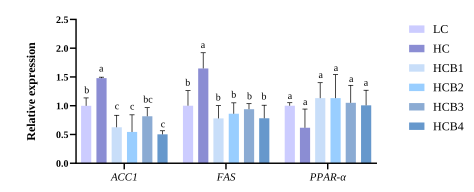
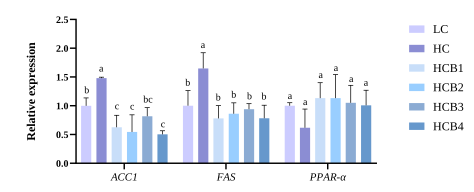
The mRNA expression levels of lipid metabolism-related genes in largemouth bass are shown in Figure 4. Compared with the LC group, the HC group exhibited significant upregulation of ACC1 and FAS genes (P < 0.05). In contrast, dietary betaine supplementation markedly downregulated the transcriptional levels of ACC1 and FAS (P < 0.05). No significant intergroup difference was found in the gene expression of PPAR-α across all treatments (P > 0.05).
4. Discussion
4.1. Effect of betaine on antioxidant capacity of largemouth bass
The antioxidant defense system is essential for maintaining cellular integrity and normal metabolism in fish, whereas nutritional imbalance may disrupt this system and trigger oxidative stress.30 The Nrf2-Keap1 signaling pathway serves as the core cascade governing antioxidant responses in organisms, stimulating the transcription of antioxidant genes and subsequently enhancing the activities of antioxidant enzymes.31 Antioxidant enzymes scavenge reactive oxygen species (ROS) to alleviate oxidative damage.32 Total antioxidant capacity (T-AOC) reflects the overall antioxidant status of organisms, and glutathione (GSH), a vital non-enzymatic antioxidant, is widely used to evaluate in vivo redox homeostasis.33,34 In the present study, significantly lower SOD activity and GSH content, as well as elevated MDA levels, were detected in the serum and liver of the HC group; meanwhile, serum T-AOC was markedly reduced. These findings indicated that high-carbohydrate diets induced oxidative stress in largemouth bass, which was consistent with previous research.10 Nevertheless, all betaine supplementation groups exhibited significantly higher SOD activity and GSH concentrations in both serum and liver compared with the HC group, and dietary supplementation with 0.5%–1.5% betaine significantly decreased hepatic MDA levels, demonstrating the beneficial effects of betaine on hepatic antioxidant capacity. Betaine downregulated hepatic Keap1 transcription while upregulating the mRNA abundance of Nrf2, as well as the antioxidant genes SOD and GPX. As a master transcription factor and regulatory protein for numerous antioxidant enzymes, upregulated Nrf2 expression can boost antioxidant enzyme activities, reduce ROS accumulation, and alleviate cellular oxidative stress.35 Nrf2 initiates the transcriptional cascade of antioxidant genes via negative regulation of Keap136. Accordingly, we proposed that betaine functions through the same mechanism: modulating the Nrf2-Keap1 pathway to upregulate antioxidant gene expression and enzyme activities, ultimately improving the antioxidant capacity of largemouth bass. Previous studies on aquatic animals have mainly focused on the growth-promoting effects of betaine, with limited investigations into its antioxidant properties.36 Collectively, our results revealed that betaine could enhance systemic antioxidant capacity via activating the Nrf2-Keap1 signaling pathway.
4.2. Effects of betaine on serum biochemistry of largemouth bass
Serum biochemical parameters are core indicators that reflect substance metabolism, organ function and overall health status in fish. Alanine aminotransferase (ALT) and aspartate aminotransferase (AST) are intracellular enzymes synthesized in hepatocytes and serve as critical biomarkers for hepatic parenchymal injury. Their serum levels are widely applied to evaluate liver functional health in fish.37 In the present study, the high-carbohydrate diet significantly increased serum AST activity in juvenile largemouth bass, indicating that excessive dietary carbohydrate exerted adverse impacts on hepatic health. Nevertheless, dietary betaine supplementation markedly reduced serum AST activity and decreased the HSI of fish fed high-carbohydrate diets, suggesting that betaine could alleviate high-carbohydrate-induced liver damage in largemouth bass. These findings are consistent with previous studies conducted in rats.38 The protective effect of betaine on hepatocytes may account for this improvement. As an essential osmoprotectant and methyl donor, betaine accumulates intracellularly to stabilize the structure of biological macromolecules and maintain cellular enzyme activities.39 Long-term feeding with high-carbohydrate diets commonly leads to postprandial hyperglycemia in carnivorous fish.40 In this study, the high-carbohydrate diet induced a significant elevation in serum glucose (GLU) concentration in largemouth bass, which was in agreement with previous reports.41 Excessive carbohydrate intake also significantly increased serum TG, TC and LDL-C levels. Serum TC content is a key marker of cholesterol metabolism in fish, and elevated TC may exacerbate vascular lipid deposition and impair fish health. High-density lipoprotein cholesterol (HDL-C) facilitates the transport of cholesterol from peripheral tissues to the liver for further metabolism, whereas LDL-C mediates the delivery of cholesterol from the liver to peripheral tissues.42 Accordingly, the increased serum TG, TC, and LDL-C levels observed in the HC group indicated that excessive carbohydrate intake could induce abnormal lipid deposition in largemouth bass, which corroborates previous findings in largemouth bass studies.43 Notably, dietary betaine supplementation effectively reversed these metabolic abnormalities by significantly decreasing serum GLU, TG, TC and LDL-C levels. These results demonstrated the positive regulatory effects of betaine on glucose and lipid metabolism in largemouth bass. The hypoglycemic effect and insulin sensitivity-improving function of betaine have been well documented in rodent models of type 2 diabetes.44 The reduction in serum TG induced by betaine may be attributed to the enhanced hepatic phosphatidylcholine synthesis, which promotes the export of hepatic triglycerides.45 The present findings further validate the potential of betaine as a functional additive to improve hepatic metabolic health in fish.
4.3. Effects of Betaine on glycolipid metabolism in largemouth bass
The liver is one of the primary organs governing glucose metabolism in vertebrates. Hexokinase (HK), phosphofructokinase (PFK), and pyruvate kinase (PK) serve as rate-limiting and key enzymes involved in the glycolytic pathway, whereas glucose-6-phosphatase (G6Pase) is a critical enzyme for de novo hepatic glucose synthesis.46 In the present study, the HC group exhibited significantly elevated activities of HK, PFK, and PK. Meanwhile, the high-carbohydrate diet significantly upregulated the hepatic mRNA expression of GK, PFK, and PK in largemouth bass. GK initiates hepatic glucose phosphorylation and acts as an essential upstream gene for glycolysis; PFK mediates an irreversible rate-limiting step and determines the overall glycolytic flux; PK catalyzes the terminal reaction of the glycolytic pathway.47 The synchronous overexpression of GK, PFK, and PK observed in this study indicated that excessive dietary carbohydrates persistently activated hepatic glycolytic gene transcription in largemouth bass. Consistent with our results, previous studies have reported that high-carbohydrate diets upregulated glycolytic gene expression in the liver of yellow catfish (Pelteobagrus fulvidraco).48 Additionally, the high-carbohydrate diet markedly downregulated hepatic G6Pase expression in largemouth bass, which may represent a physiological negative feedback compensatory mechanism. This adaptive response suppresses endogenous glucose synthesis to counteract continuous exogenous glucose overload. Dietary supplementation with 2% betaine significantly reduced the transcriptional level of PFK, whereas 0.5%–1.5% betaine exerted no significant effect on PFK expression. Nevertheless, betaine supplementation did not alter PFK enzyme activity. In addition to transcriptional regulation, PFK activity is modulated by multiple post-translational mechanisms, including allosteric modulation, phosphorylation modification, endogenous activation, and intracellular energy homeostasis.49 Therefore, 2% betaine effectively alleviated high-carbohydrate-induced upregulation of PFK at the transcriptional level without altering its enzymatic activity. Hepatic glucose metabolism is tightly coupled with lipid metabolism. Excess hepatic glucose is predominantly converted into lipids via intermediate metabolic pathways, while only a small portion is used for glycogen synthesis.50 Acetyl-CoA carboxylase 1 (ACC1) and fatty acid synthase (FAS) are core enzymes for lipogenesis. Specifically, ACC1 catalyzes the carboxylation of acetyl-CoA to malonyl-CoA, which is further converted to palmitic acid and subsequently esterified into triglycerides by FAS.51 Glycogen synthase (GS) is a key functional gene responsible for glycogen synthesis by encoding glycogen synthase protein.52 In this study, the high-carbohydrate diet significantly upregulated hepatic ACC1 and FAS expression and increased serum triglyceride levels, while no significant difference was observed in GS expression among groups. These results indicated that elevated dietary carbohydrates altered glucose metabolic patterns in largemouth bass, redirecting glucose flux toward glycolysis and lipogenesis rather than glycogen synthesis. Similar findings have been reported in grass carp (Ctenopharyngodon idella), in which high-carbohydrate diets enhanced glycolysis and lipogenesis without affecting glycogen synthesis.53 In contrast, betaine supplementation significantly downregulated the hepatic expression of lipogenic genes (ACC1 and FAS) in fish fed high-carbohydrate diets. Consistent with our results, a previous study in gibel carp (Carassius auratus gibelio) demonstrated that 0.4% betaine reduced hepatic lipid deposition by suppressing the transcription of lipogenic ACC and FAS genes.54 Collectively, these findings suggested that betaine mitigates abnormal lipid accumulation by inhibiting lipogenesis, thereby maintaining hepatic lipid metabolic homeostasis. Importantly, previous studies regarding the metabolic regulation of betaine have mainly focused on herbivorous and omnivorous fish species, while relevant research on carnivorous fish remains limited. As a typical carnivorous fish with inherent carbohydrate intolerance, largemouth bass exhibits distinct glycolipid metabolic characteristics compared with herbivorous and omnivorous fish. In this context, the present study further complements the molecular mechanism by which betaine regulates hepatic glycolipid metabolism in carnivorous fish, greatly improving the species specificity and theoretical significance of existing research. Nevertheless, the precise post-translational regulatory mechanisms and molecular pathways underlying betaine-modulated hepatic glycolipid metabolism in fish still require further in-depth exploration in future studies.
5. Conclusion
In conclusion, high-carbohydrate diets induce hepatic oxidative stress and disordered glycolipid metabolism in juvenile largemouth bass. Dietary betaine supplementation effectively improves hepatic antioxidant capacity and maintains hepatic metabolic homeostasis through synergistic regulation of multiple signaling pathways. Specifically, betaine inhibits excessive hepatic lipogenesis by markedly downregulating the transcription of key lipogenic genes (ACC1 and FAS), thereby reducing serum triglyceride, total cholesterol, and low-density lipoprotein cholesterol levels and alleviating abnormal lipid accumulation to stabilize systemic lipid metabolism. In terms of antioxidant regulation, betaine upregulates the mRNA transcription of the Nrf2-Keap1 signaling pathway and its downstream antioxidant genes, which may enhance hepatic antioxidant enzyme activities and protect hepatocytes from oxidative damage. Based on the growth performance indicators obtained in this study, the optimal dietary betaine supplementation level for juvenile largemouth bass under high-carbohydrate feeding conditions was determined to be 0.5%. Notably, this study only investigated alterations at the transcriptional level. Further validation at the protein level, as well as proteomic analysis, is therefore required to confirm the functional activation and nuclear translocation of the Nrf2-Keap1 pathway. Nevertheless, the core molecular targets and pivotal signaling pathways responsible for betaine-mediated lipid metabolic regulation under high-carbohydrate stress remain to be further explored. Future studies are required to fully elucidate the comprehensive molecular mechanism by which betaine alleviates high-carbohydrate-induced lipid metabolic disorders in fish.
Acknowledgments
This research was supported by the Science and Technology Program of Fujian Province (Grant No. 2015N0010) and the Science and Technology Program of Xiamen City (Grant No. 3502Z20143017).
Authors’ Contribution
Conceptualization: Wanting Luo (Equal), Zhongbao Li (Equal). Methodology: Wanting Luo (Lead), Zhangfan Huang (Equal), Yanbo Zhao (Equal), Longhui Liu (Equal). Formal Analysis: Wanting Luo (Lead). Writing – original draft: Wanting Luo (Lead). Writing – review & editing: Wanting Luo (Lead). Resources: Zhongbao Li (Lead). Funding acquisition: Zhongbao Li (Lead).
Competing Interest – COPE
The authors declare that they have no known competing financial interests or personal relationships that could have appeared to influence the work reported in this paper.
Ethical Conduct Approval – IACUC
All contents of this study are subject to the Regulations on the Administration of Experimental Animals (amended on March 1, 2017 by the National Animal Control Regulations of the People’s Republic of China No. 11 and Laws and Regulations of The State Council No. 676), and approved by the Animal Experiment Ethics Committee of Jimei University (Xiamen, China), approval code: JMU202103009.
Informed Consent Statement
All authors and institutions have confirmed this manuscript for publication.
Data Availability Statement
All are available upon reasonable request.